
Your dog can't tell you they need more exercise. But their behavior is screaming it. Here are 7 signs — if you recognize even one, your dog probably needs a longer, harder workout.
1. Destructive Chewing
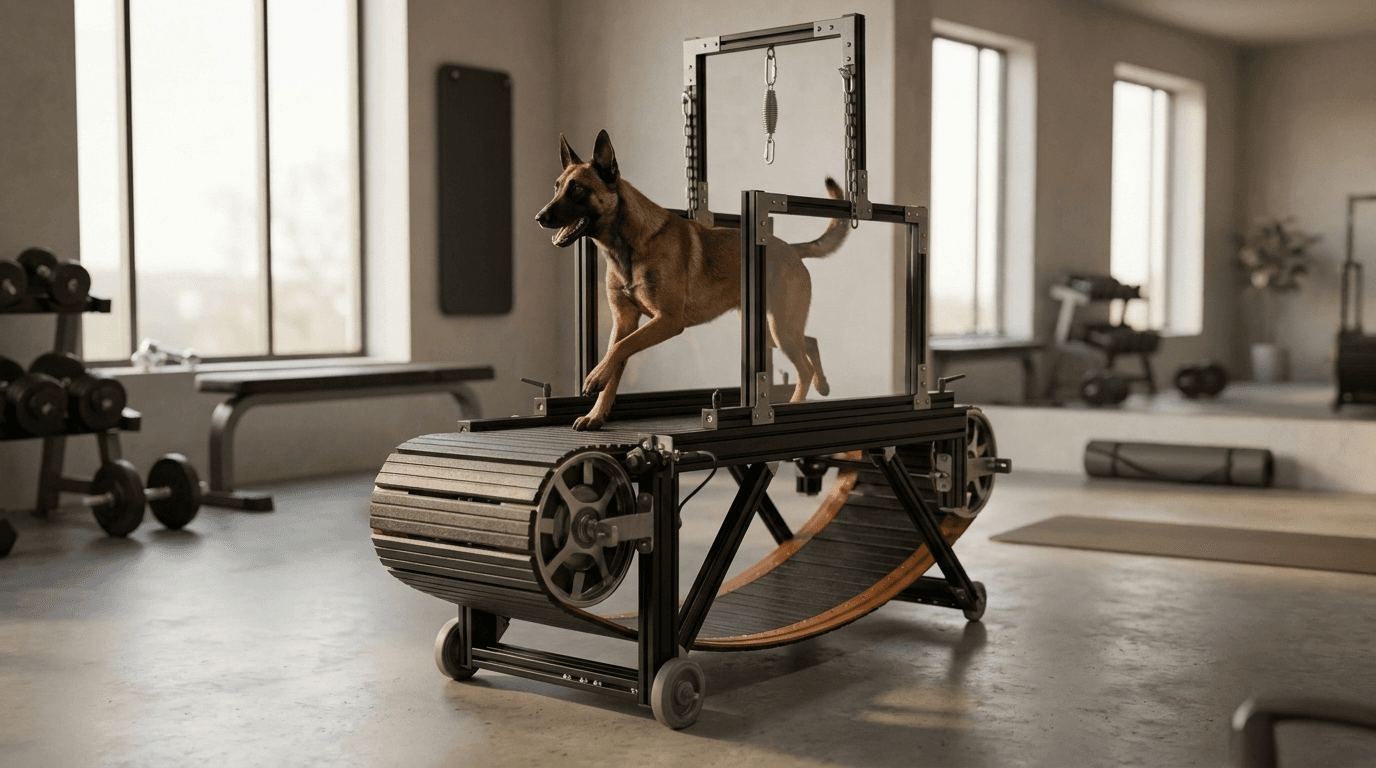
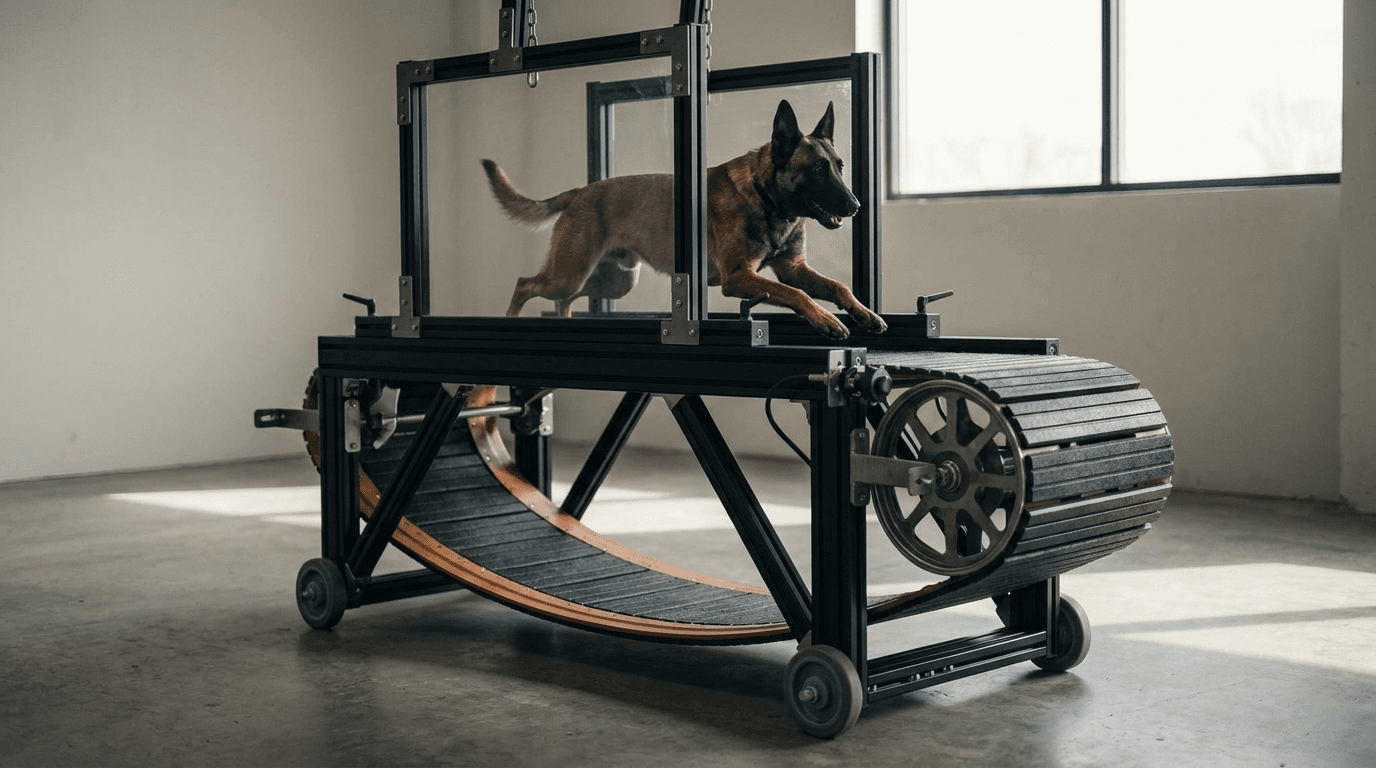
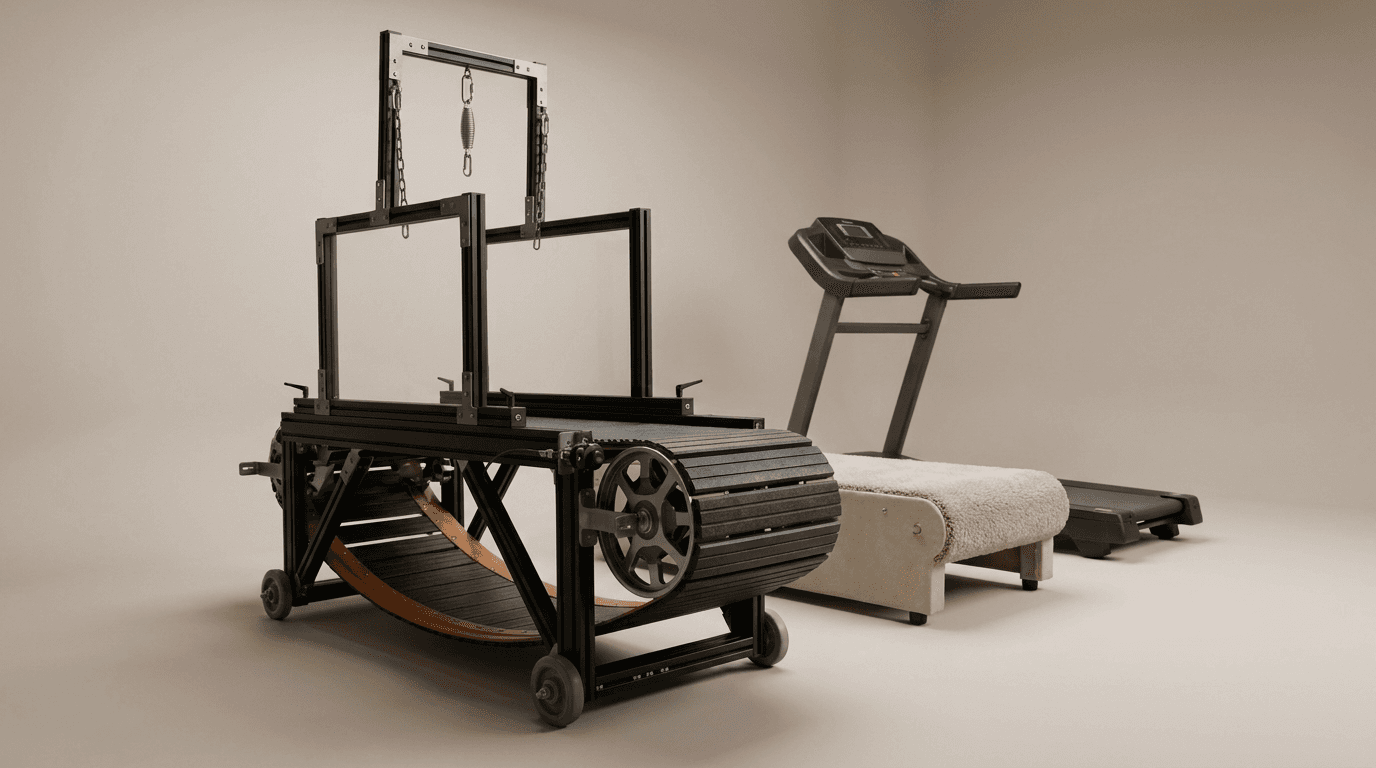
What it looks like: Shoes, furniture legs, door frames, remote controls — anything within reach gets destroyed. What it means: Your dog has energy that has nowhere to go. Chewing is a self-soothing behavior that releases pent-up stress and burns mental energy. It's not spite. It's boredom + energy surplus. The fix: Add 15-20 minutes of vigorous exercise in the morning before you leave. A quick slatmill session before work can eliminate destructive chewing almost overnight.2. Excessive Barking
What it looks like: Barking at everything — the mailman, a car passing, a leaf, nothing at all. Barking that doesn't stop. What it means: Your dog is over-stimulated with nowhere to channel that stimulation. They're reacting to everything because their baseline arousal is too high. The fix: Physical exercise lowers baseline arousal. A tired dog has a higher threshold for triggers. Exercise before high-stimulation periods (guests arriving, delivery times).3. Weight Gain (The One Most Owners Miss)
What it looks like: You can't easily feel your dog's ribs. No visible waist from above. Belly hangs low. What it means: More calories in than out. 59% of dogs are overweight, and most owners don't recognize it because weight gain is gradual. Why owners miss it: You see your dog every day. The change is too slow to notice. Ask your vet at your next checkup — the answer might surprise you. The fix: Exercise + measured diet. A slatmill makes the exercise portion consistent and trackable.4. Hyperactivity / Can't Settle
What it looks like: Pacing, jumping, spinning, unable to lie down and relax. "Zoomies" that happen daily, not occasionally. What it means: Energy surplus. Daily zoomies aren't cute — they're a sign your dog has unspent fuel. Occasional zoomies are normal. Daily ones mean they need more output. The fix: Morning exercise. 5-20 minutes of real intensity sets the tone for a calm day.5. Attention-Seeking Behavior
What it looks like: Nudging, pawing, whining, bringing toys, jumping on you constantly. Following you from room to room. What it means: Your dog is bored and looking for stimulation. You're the most interesting thing in their environment because nothing else has challenged them. The fix: A combination of physical exercise and mental enrichment. A tired, mentally stimulated dog is content to rest near you without demanding attention.6. Digging
What it looks like: Holes in the yard. Scratching at carpets, couch cushions, or door frames. What it means: Displacement behavior. Your dog is redirecting pent-up energy into the ground because they can't run. Some breeds (terriers, Huskies) are predisposed, but under-exercise amplifies it dramatically. The fix: Exercise before yard time. A dog that's already tired won't dig.7. Restlessness at Night
What it looks like: Pacing at night. Whining. Getting up and lying down repeatedly. Can't seem to get comfortable. What it means: Your dog didn't burn enough energy during the day. They're physically tired enough to want to sleep but neurologically still wired. The fix: Evening exercise session — even 10-15 minutes of moderate activity before bed. A slatmill session at trotting pace is ideal for this.The Quick Test
Score your dog on each sign (0 = never, 1 = sometimes, 2 = frequently):
The Bottom Line
Every behavior on this list is fixable with exercise. Not training. Not medication. Not discipline. Exercise. The right tool makes it consistent and easy.
See HoundPower Slatmills →