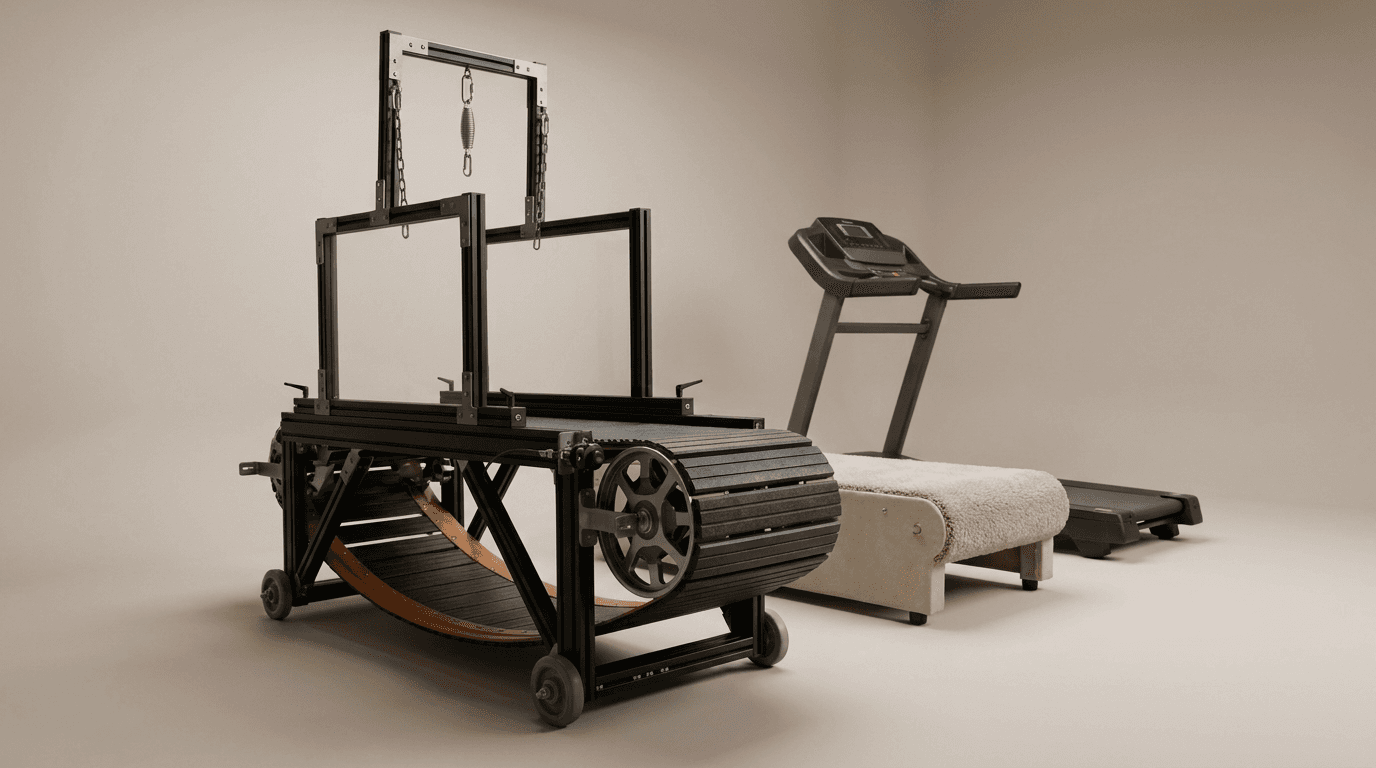
Not every dog needs a slatmill. But some breeds have so much energy, drive, and athletic potential that a slatmill isn't just helpful — it's practically necessary.
Here are the 12 breeds that benefit most, ranked by drive level, with real exercise data and training notes for each.
Tier 1 — Built for the Slatmill
1. American Pit Bull Terrier / American Bully
The most common slatmill breed, and for good reason. High drive, muscular build, explosive energy. A 5-minute slatmill sprint can drain more energy than a 60-minute outdoor walk. Builds lean muscle and drains the pent-up energy that otherwise causes destructive behavior.
Daily exercise need: 60-90 minutes2. Belgian Malinois
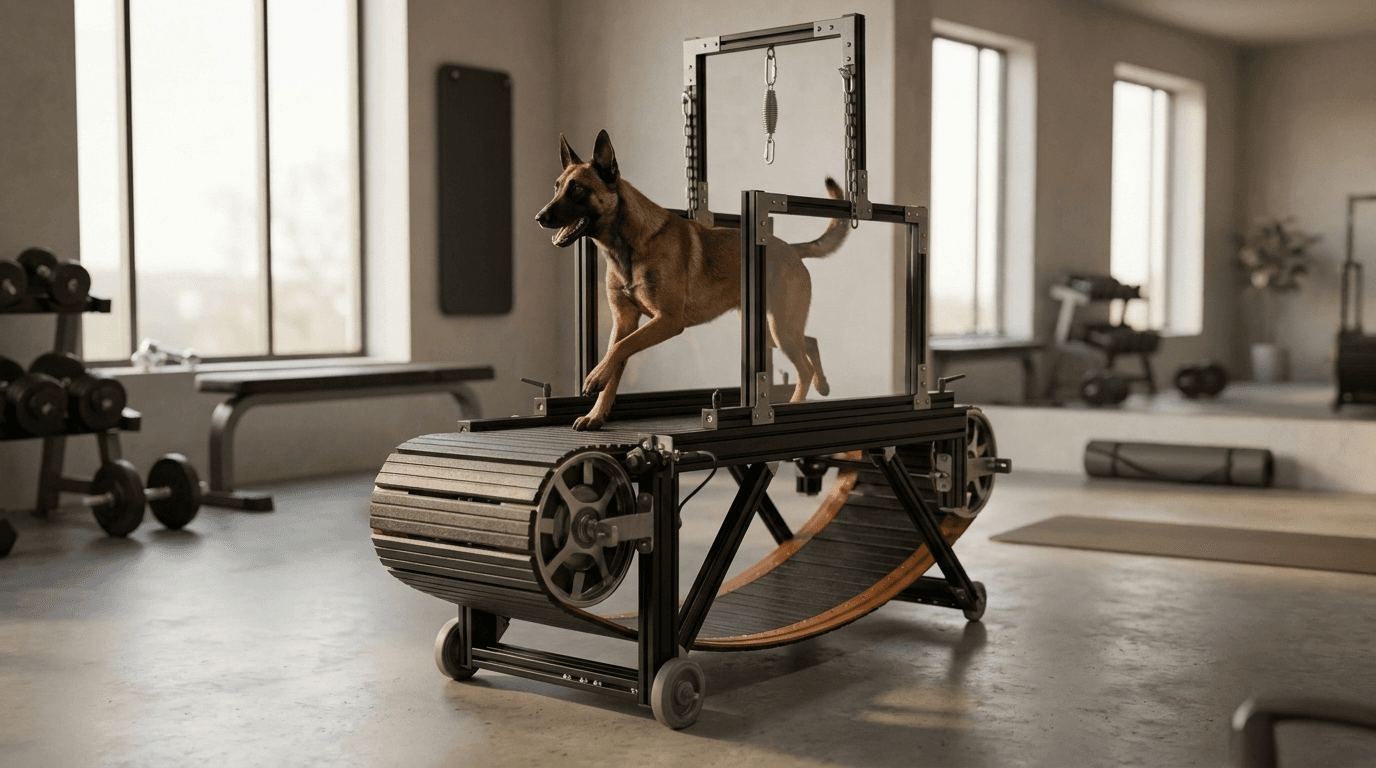
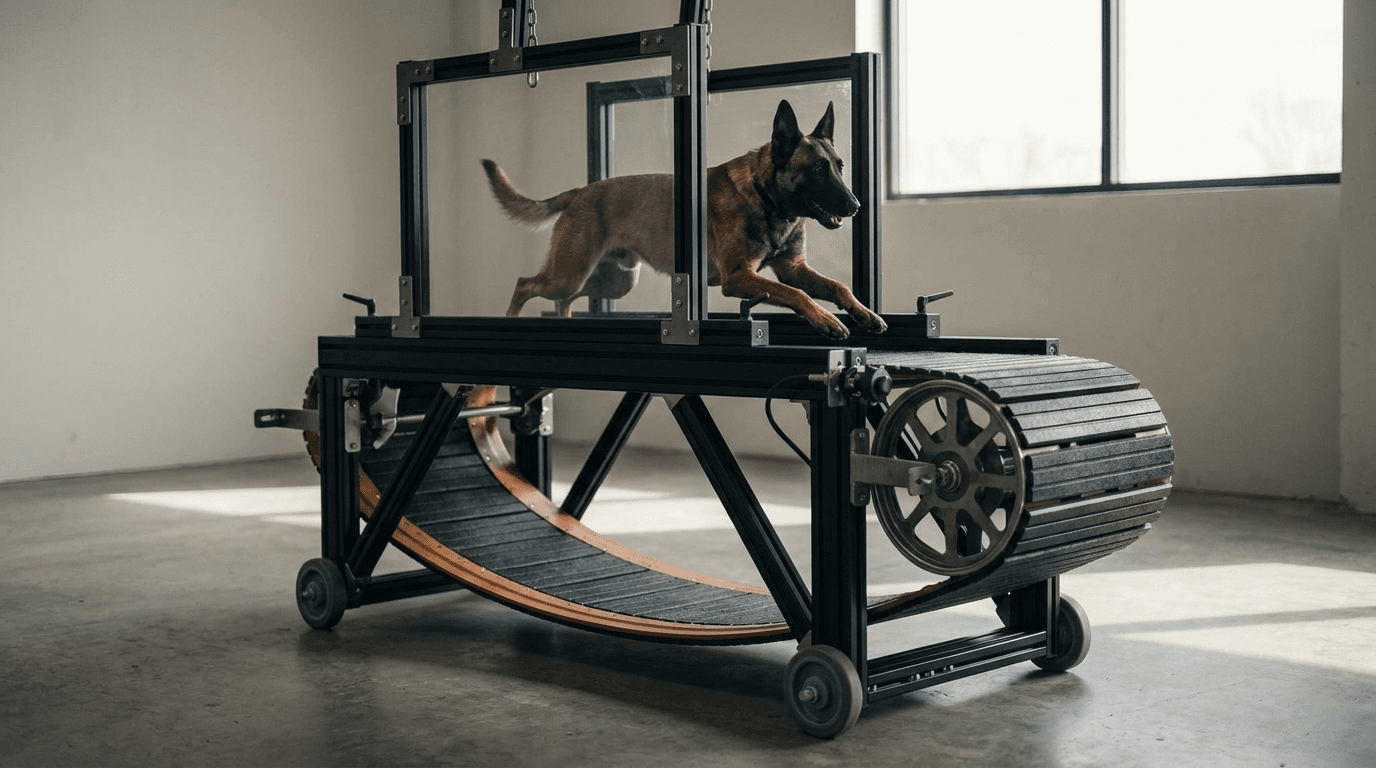
Relentless energy. Used by police and military K9 units that train on slatmills for peak conditioning. If you own a Mal and don't have a slatmill, you're fighting a losing battle.
Daily exercise need: 2+ hours3. American Staffordshire Terrier
Similar profile to the APBT. Thrives on the resistance-style cardio that slatmills provide. Builds the athletic frame these dogs are known for.
Daily exercise need: 60-90 minutes4. Dutch Shepherd
High-drive working dog. Slatmill keeps conditioning sharp between fieldwork. Popular with protection sport competitors.
Daily exercise need: 90-120 minutesTier 2 — High-Energy Breeds That Need the Outlet
5. German Shepherd
Best on large-size slatmills. Builds rear-end strength, which matters for this breed's hip health. Well-documented use in the GSD community.
Daily exercise need: 90-120 minutes6. Border Collie
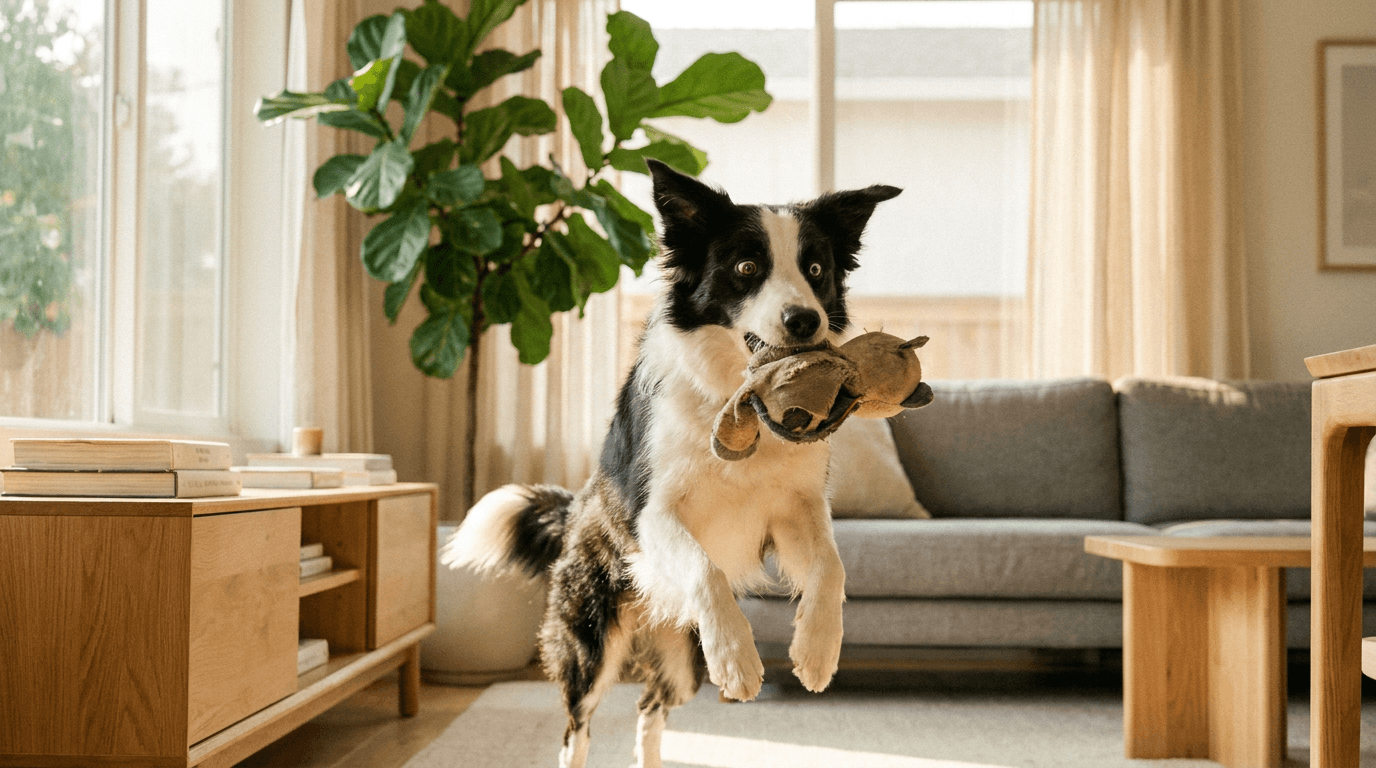
Needs both physical and mental stimulation. The slatmill provides both — the dog focuses on rhythm, coordination, and pace while getting a serious cardio workout.
Daily exercise need: 2+ hours7. Siberian Husky / Alaskan Malamute
Bred to run for hours. Critical in warm climates or apartments where outdoor running is limited. These dogs will run on a slatmill until you tell them to stop.
Daily exercise need: 2+ hours8. Australian Shepherd
Herding energy with no off switch. The slatmill is an ideal indoor burn-off tool for Aussies who'd otherwise be running laps around your furniture.
Daily exercise need: 60-90 minutes9. Doberman Pinscher
Builds the lean athletic frame Dobermans are known for. A popular topic on Doberman forums — slatmill vs. carpet mill for this breed.
Daily exercise need: 90-120 minutesTier 3 — Large Breeds at Lower Intensity
10. Cane Corso / Boerboel
Mastiff-type dogs with moderate-to-high energy. Slatmill at a walk/trot builds muscle without the joint impact of running on concrete.
Daily exercise need: 60 minutes11. Labrador Retriever / Golden Retriever
Sporting breeds prone to obesity (56% of US dogs are overweight or obese). Slatmill provides consistent, weather-independent cardio.
Daily exercise need: 60-90 minutes12. Boxer
High energy, muscular build. Benefits greatly but monitor breathing — Boxers are semi-brachycephalic.
Daily exercise need: 60-90 minutesWhy These Breeds Specifically
All of these breeds share common traits that make slatmill training effective:
Breeds to Be Cautious With
Brachycephalic breeds (English Bulldog, French Bulldog, Pug) — compromised airways make sustained cardio dangerous. Vet clearance required. Short intervals only with extra monitoring and airflow. Giant breeds with joint issues (Great Dane, Saint Bernard, Newfoundland) — walk-only pace if used at all. Excess weight on developing or arthritic joints is risky. Puppies under 12-18 months — growth plates are still open. Sustained treadmill running risks joint damage. Light, supervised introduction only. Senior dogs — use under veterinary guidance with controlled duration. Gentle walking pace, 5-10 minutes maximum.The Bottom Line
If your dog is on this list, a slatmill isn't a luxury — it's a tool that matches their biology. The right exercise equipment doesn't just tire them out. It builds their body, sharpens their mind, and makes them calmer at home.
See which HoundPower Slatmill fits your dog →