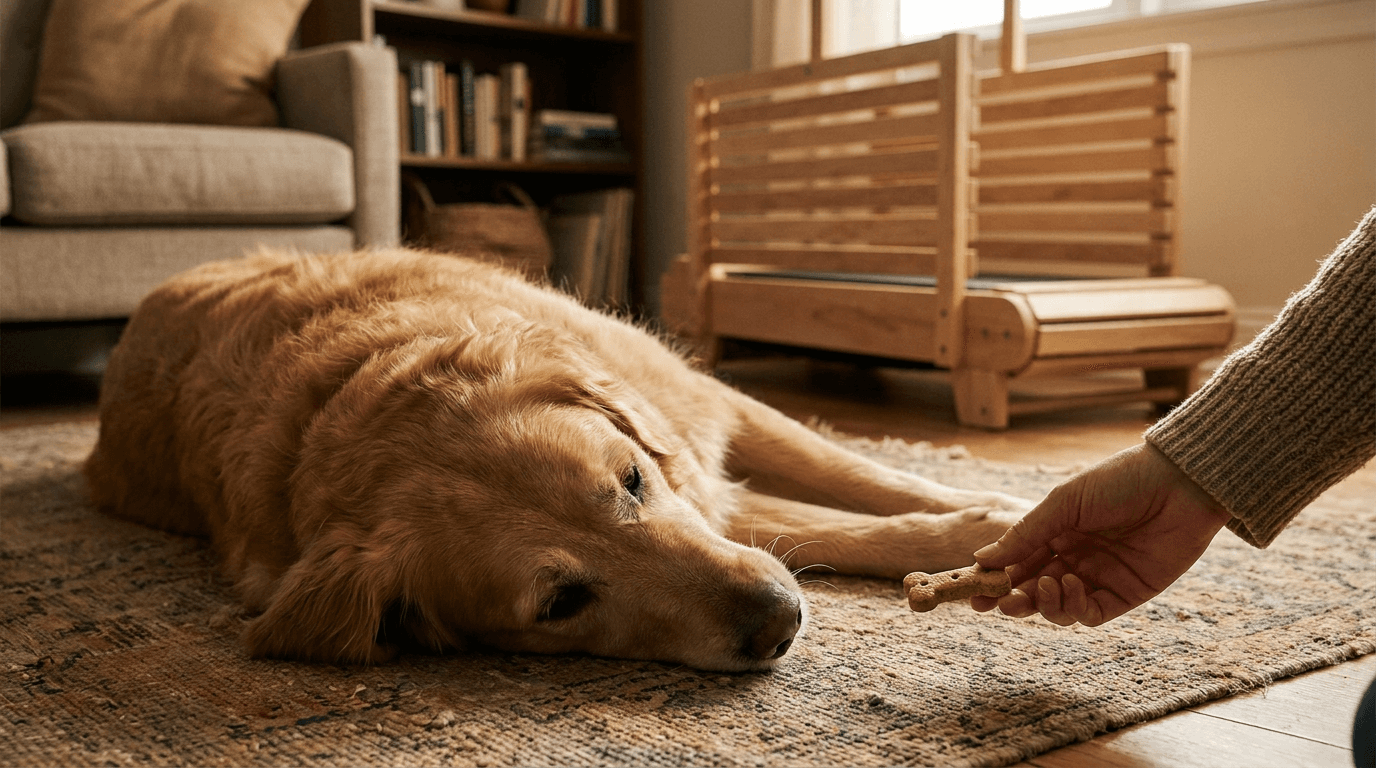
Your dog won't get off the couch. They plant their feet on walks. They look at a ball like you've lost your mind. You've decided they're "lazy."
They're probably not. Here's what's actually happening and how to fix it.
Why Dogs Seem "Lazy"
1. Pain
The most important possibility to rule out first. Dogs hide pain. A dog that suddenly becomes inactive, refuses walks, or lies down during exercise may be in pain — joint issues, dental pain, internal problems. Vet check first. Always.
2. Overweight / Out of Shape
A dog that's 20% overweight is carrying the equivalent of a human carrying a 30 lb backpack everywhere. Exercise is genuinely hard for them. They're not lazy — they're exhausted by basic movement. The fix is gradual: start with 5-minute sessions and build.
3. Boredom
Walking the same route at the same pace every day is boring. For an intelligent dog, it's the equivalent of a human doing the same jigsaw puzzle for the 500th time. They lose interest because there's nothing engaging about it.
4. Wrong Type of Exercise
Some dogs hate walks. Some dogs hate fetch. Some dogs hate water. But almost every dog has SOMETHING that lights them up — you just haven't found it yet.
5. Depression / Under-Stimulation
Yes, dogs can be depressed. A dog with no mental stimulation, no social interaction, and no variation in their routine can become genuinely depressed and lethargic.
6. Breed Mismatch
Some breeds genuinely need less exercise (Basset Hounds, Bulldogs, Shih Tzus). If you have one of these breeds and they're content with 20-30 minutes of activity, they might not be lazy — they might be satisfied.
How to Motivate an Unmotivated Dog
Step 1: Rule Out Pain
Vet visit. Blood work. Joint assessment. If they're clear, move to step 2.
Step 2: Find Their Drive
Every dog has a trigger. Try different activities and watch for the moment their eyes light up:
Step 3: Start Absurdly Small
Don't try to go from zero to 30 minutes. Start with:
Build by 1-2 minutes per session. The dog doesn't know they're getting fitter — they just know that short exercise = treats and praise.
Step 4: Make It Fun, Not a Chore
Step 5: Build a Routine
Dogs thrive on predictability. Same time every day, same pre-exercise ritual. Within 2 weeks, they'll start anticipating the routine and may even ask for it.
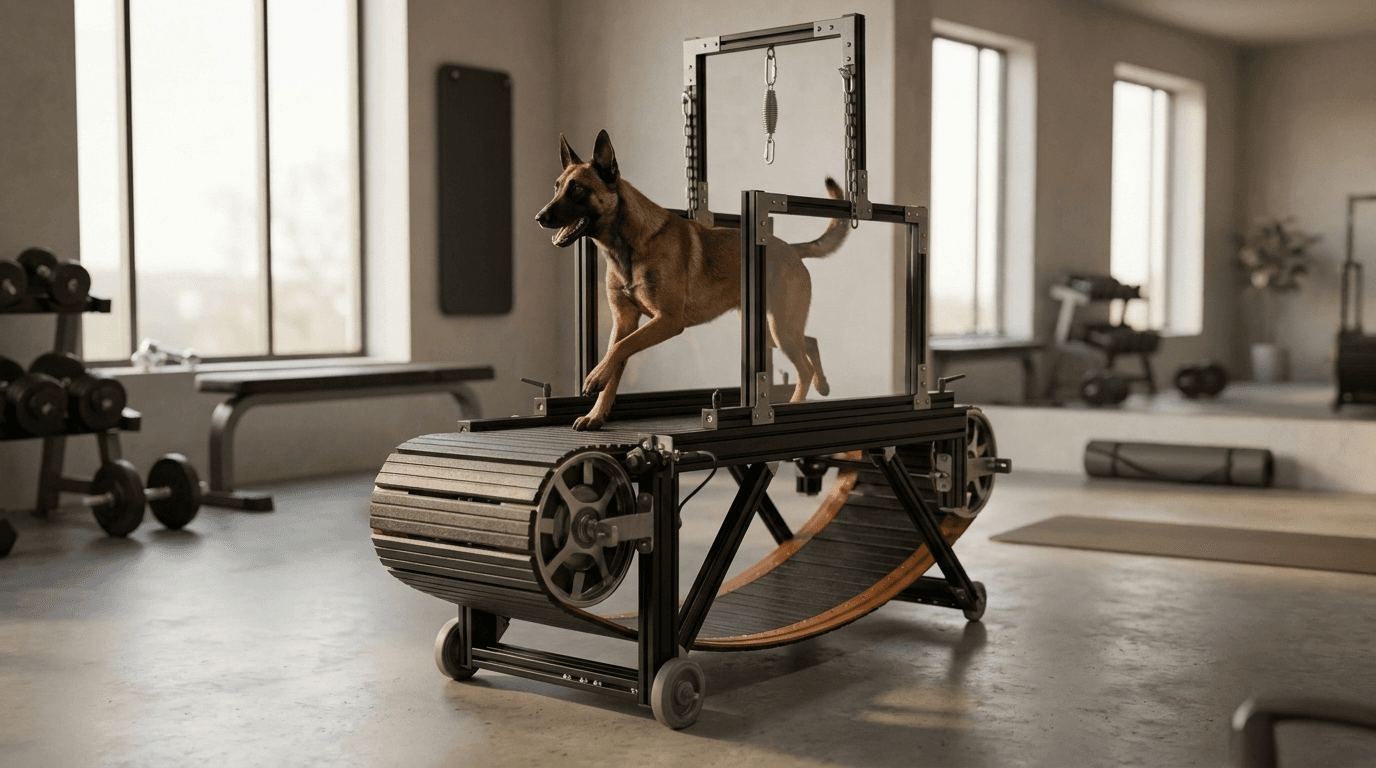
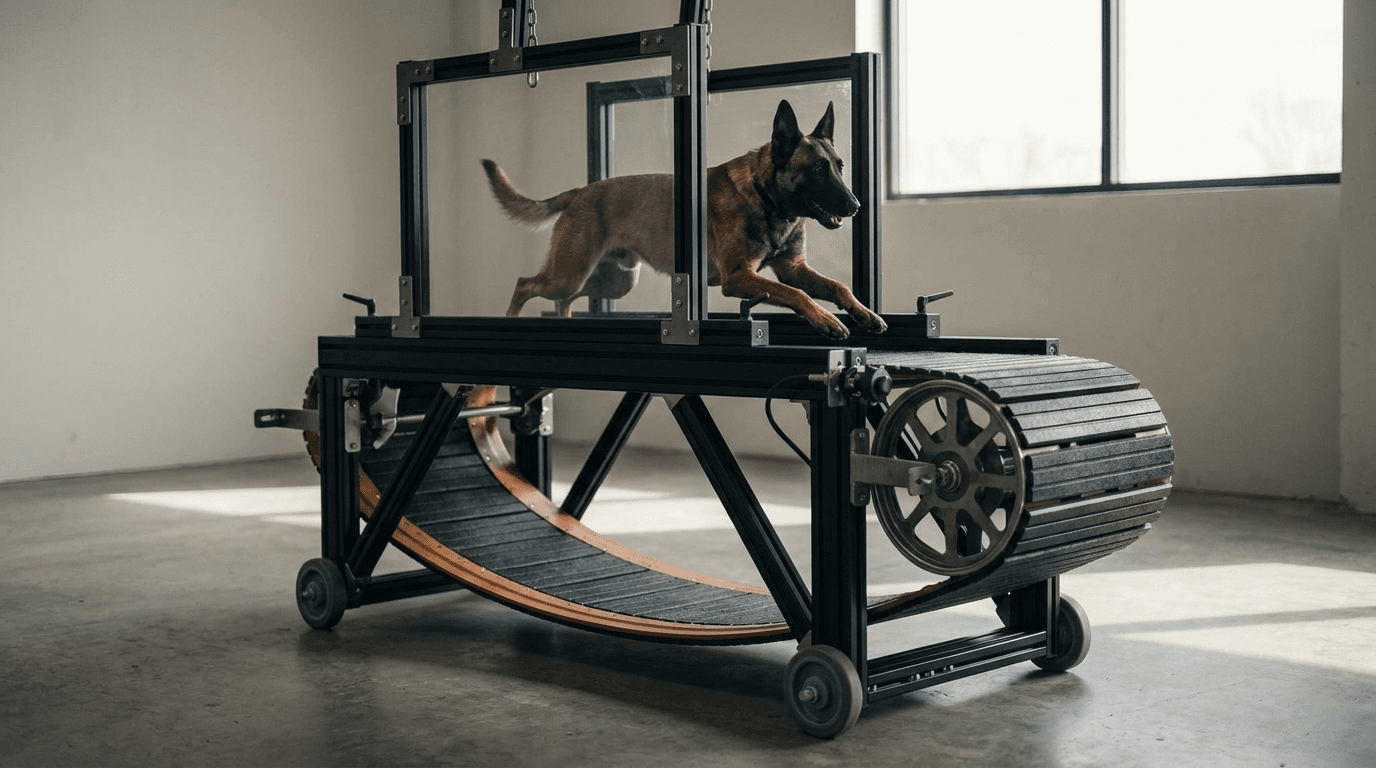
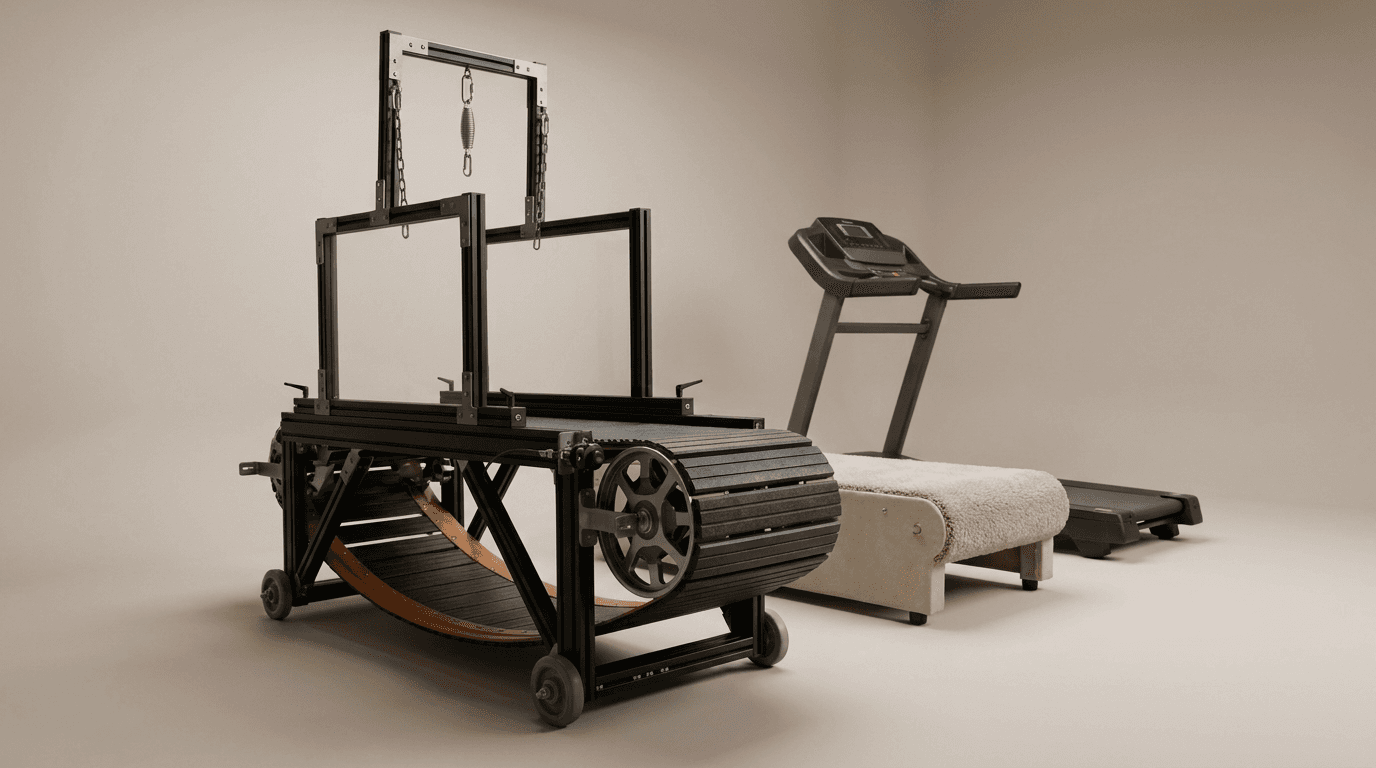
The Slatmill Advantage for "Lazy" Dogs
A slatmill is uniquely effective for unmotivated dogs because:
The Bottom Line
"Lazy" is almost never the real diagnosis. Pain, weight, boredom, wrong exercise type, or depression are the usual culprits. Find the cause, find the drive, start small, and build. Almost every dog can become an active, enthusiastic exerciser — they just need the right approach.
See HoundPower Slatmills — self-paced for any fitness level →