Your dog is bouncing off the walls. Chewing everything. Barking at nothing. Pacing. Jumping on guests. You've tried "calm down" commands. You've tried crate time. Nothing works.
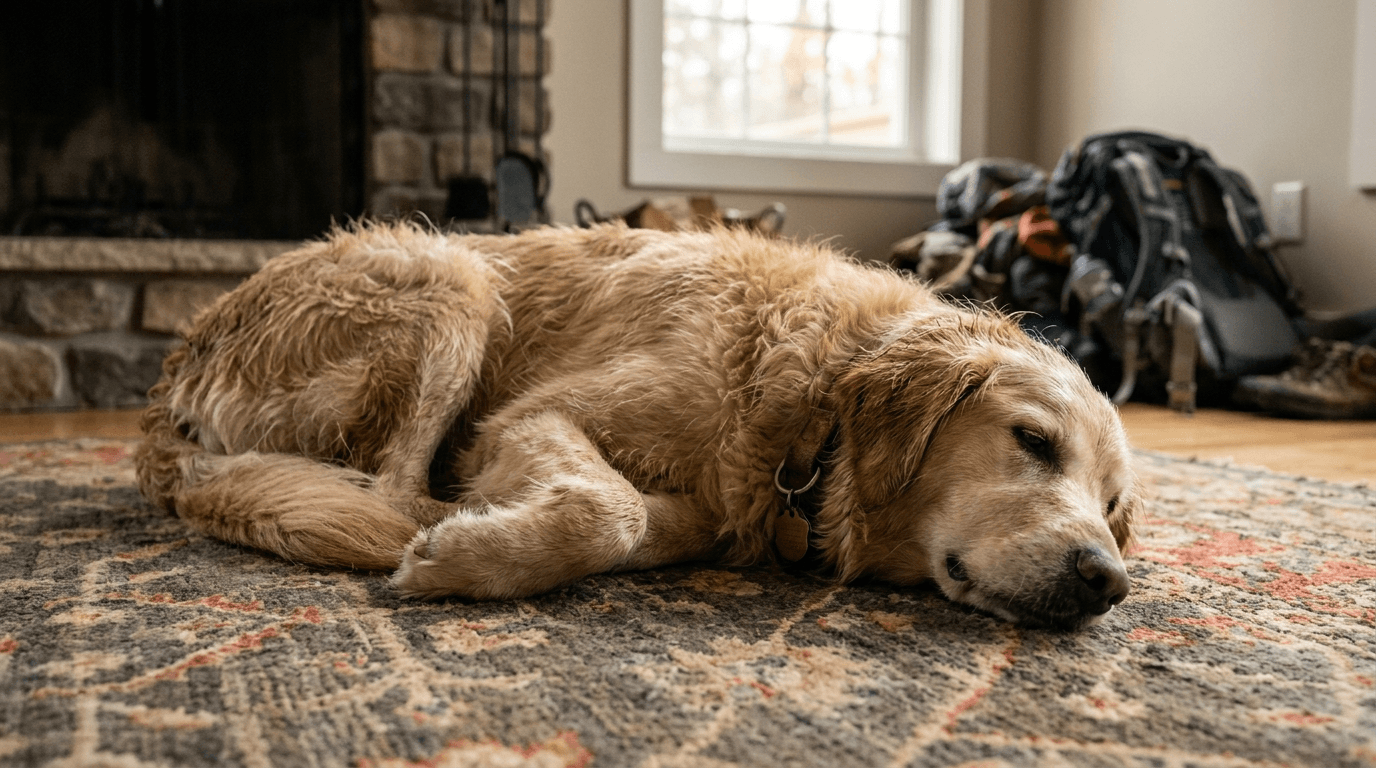
Here's the truth most people don't want to hear: your dog isn't hyperactive. They're under-exercised.
The Real Problem
Lack of physical exercise is the #1 cause of hyperactivity in dogs. Not genetics. Not bad training. Not a behavioral disorder. Simple, solvable under-exercise.
The math doesn't work for most owners:
Why Walks Aren't Enough
Walks are important — they provide socialization, mental stimulation, and bonding. But for high-energy breeds, a walk is the equivalent of a human taking a slow stroll around the block and calling it a workout.
Your Border Collie doesn't need a stroll. They need to *run*.
What Actually Works
1. Morning Exercise (Before You Leave)
AKC and PetMD confirm: 30-60 minutes of vigorous activity before the owner leaves sets the behavioral tone for the entire day. A dog that runs hard in the morning is a calm dog all afternoon.
2. The Right Intensity
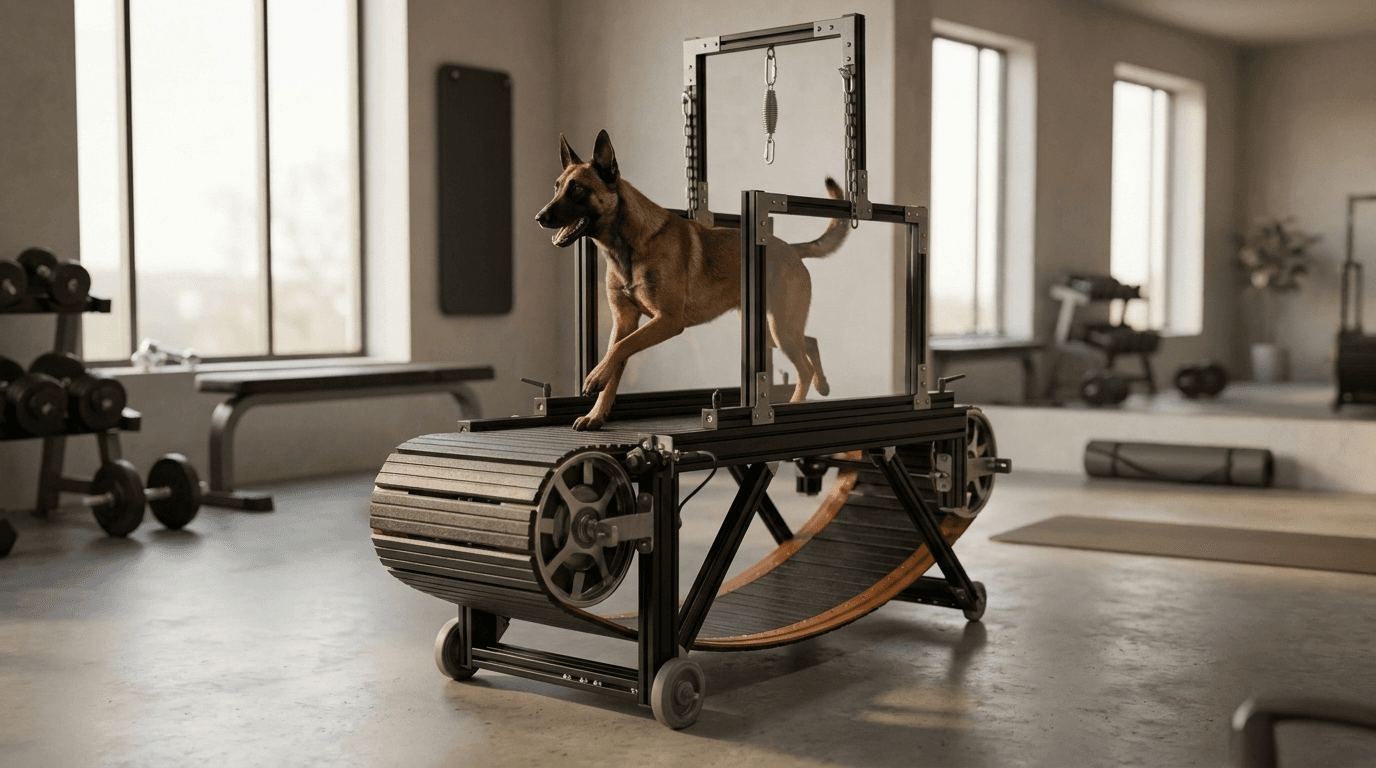
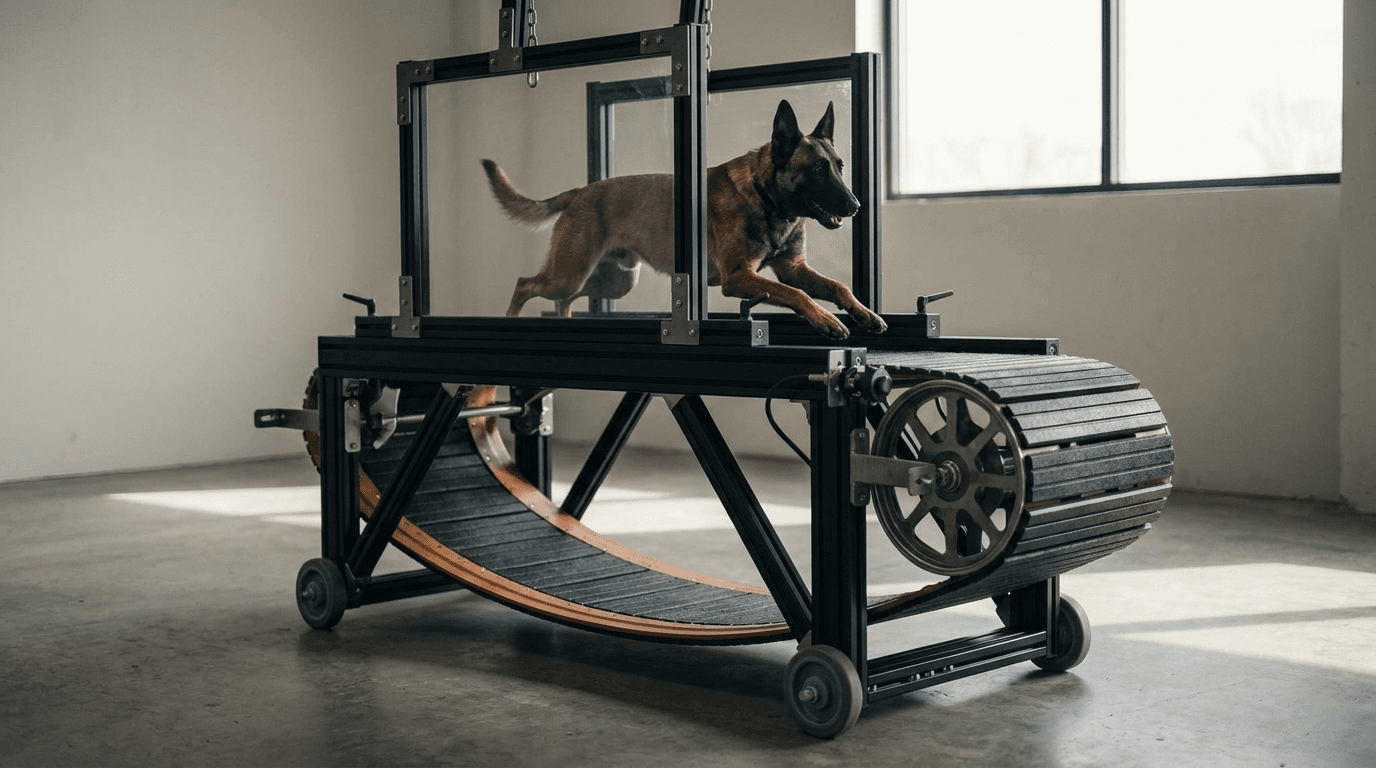
Walking speed isn't enough. Your dog needs to reach their natural running pace — trotting, sprinting, engaging large muscle groups. This is where a slatmill excels: your dog controls the speed and naturally pushes to their working pace.
3. Mental Stimulation
Mental exercise tires dogs faster than physical exercise alone. Puzzle feeders, scent work, training sessions, and hide-and-seek all drain mental energy. Combine with physical exercise for maximum effect.
4. Consistency Over Intensity
One massive weekend hike doesn't make up for five sedentary weekdays. Daily exercise — even 15-20 minutes of real intensity — beats sporadic long sessions.
5. Structured Routine
Dogs thrive on predictability. Same time every day, same pre-exercise ritual, same cool-down routine. The routine itself becomes calming because the dog knows what to expect.
The Slatmill Solution
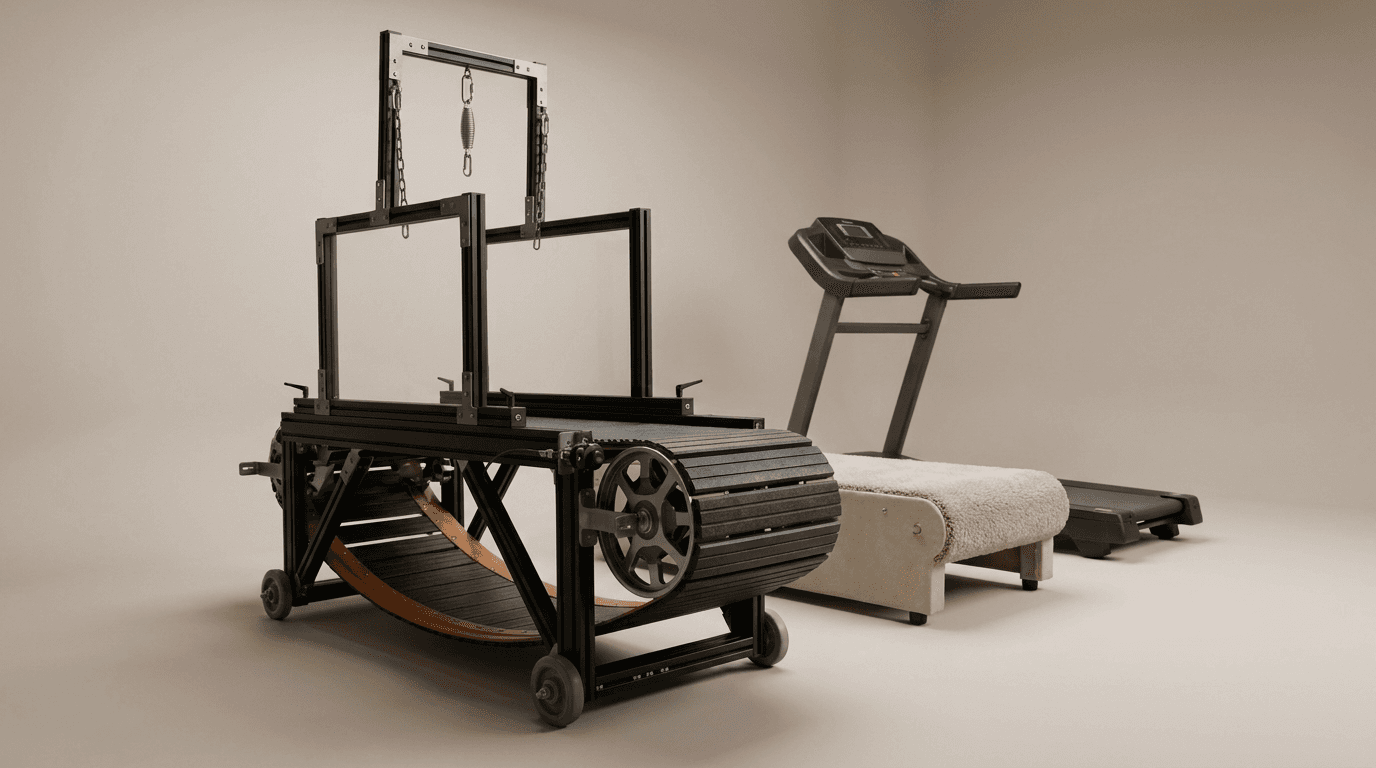
A slatmill solves the specific problem hyperactive dogs have: they need intense exercise that owners can't always provide through walks alone.
What Doesn't Work
The 2-Week Test
Try this: give your dog 20-30 minutes of real, vigorous exercise every morning for 14 days straight. Not walking — running, sprinting, working hard. Then evaluate their behavior.
In almost every case, the "hyperactivity" disappears. Because it was never hyperactivity. It was a dog with a full gas tank and nowhere to drive.
See HoundPower Slatmills — 5 minutes to a calmer dog →