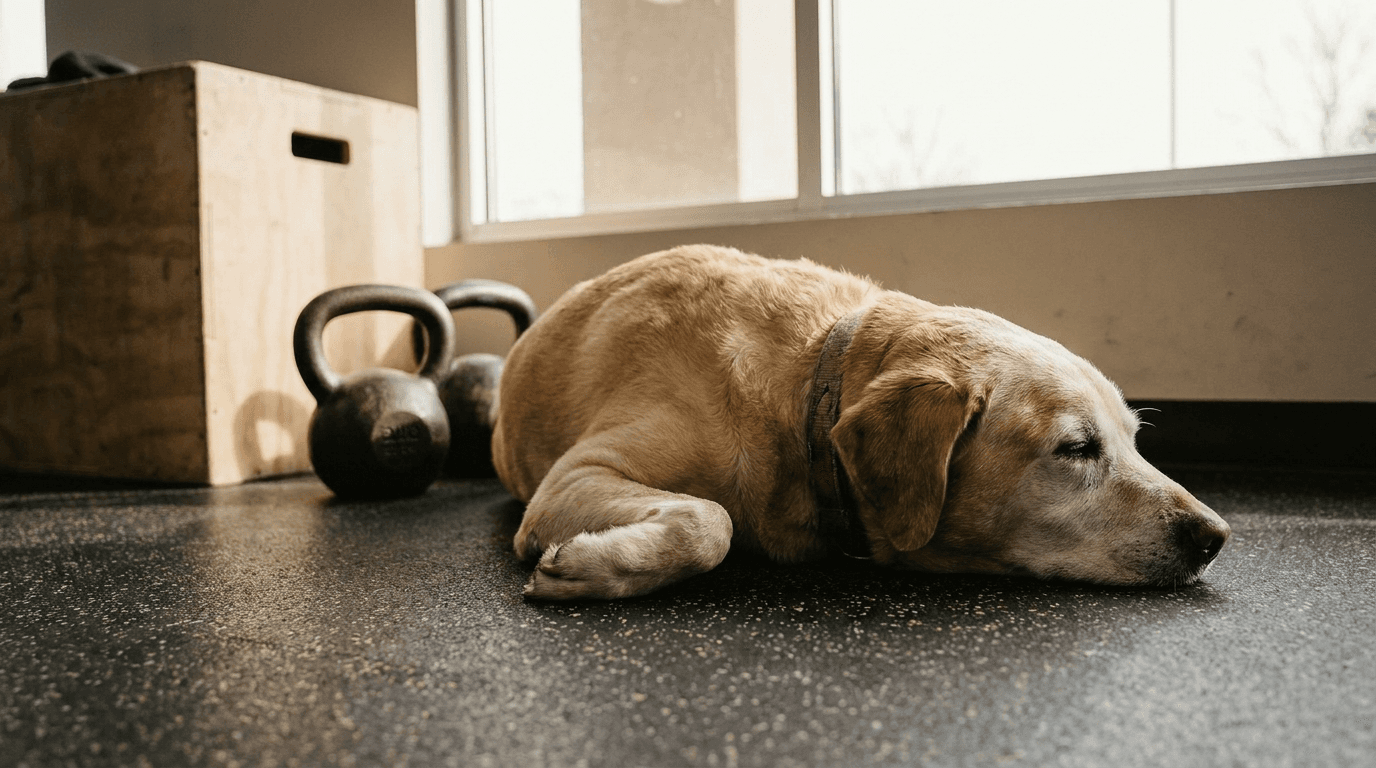
Your dog is getting older. They're slower on walks. They take longer to get up. Maybe they've been diagnosed with arthritis. The instinct is to let them rest more.
That instinct is wrong.
Senior dogs who stop exercising deteriorate faster — muscle loss, weight gain, joint stiffness, cognitive decline. The right exercise, at the right intensity, keeps them mobile, comfortable, and mentally sharp for years longer.
When Is a Dog "Senior"?
Start adjusting exercise as your dog enters their senior years, not after problems appear.
How Much Exercise Do Senior Dogs Need?
30-45 minutes daily of moderate activity for most senior dogs. Split into 2-3 shorter sessions rather than one long one. Quality matters more than quantity.The key difference from younger dogs: recovery takes longer. A senior dog that overdoes it today will be stiff and sore tomorrow.
The Best Exercises for Senior Dogs
1. Walking (Modified)
Still the foundation. But adjust:
2. Swimming / Hydrotherapy
The gold standard for senior dogs. Water supports body weight, reducing joint load by up to 90%. Builds muscle without impact. If your area has a canine hydrotherapy pool, it's worth the investment.
3. Slatmill at Walking Pace
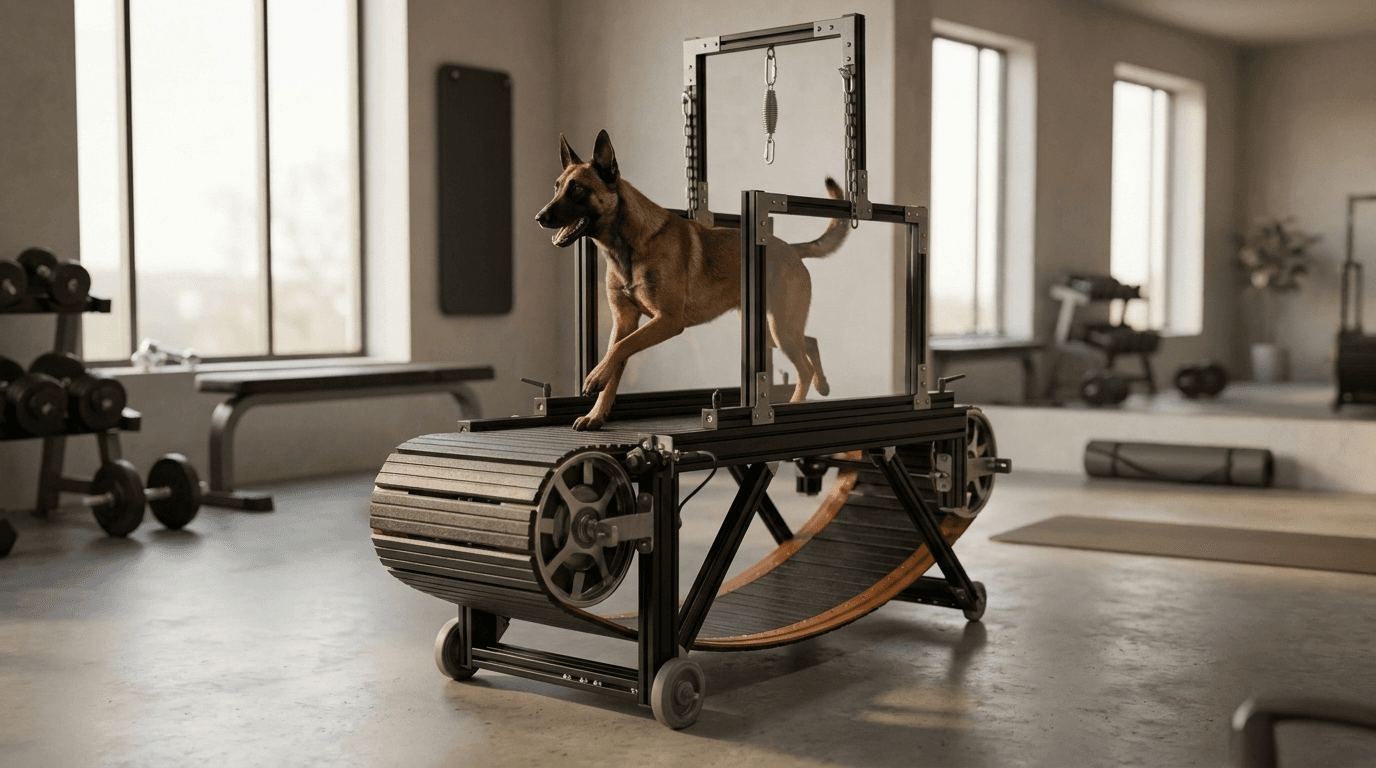
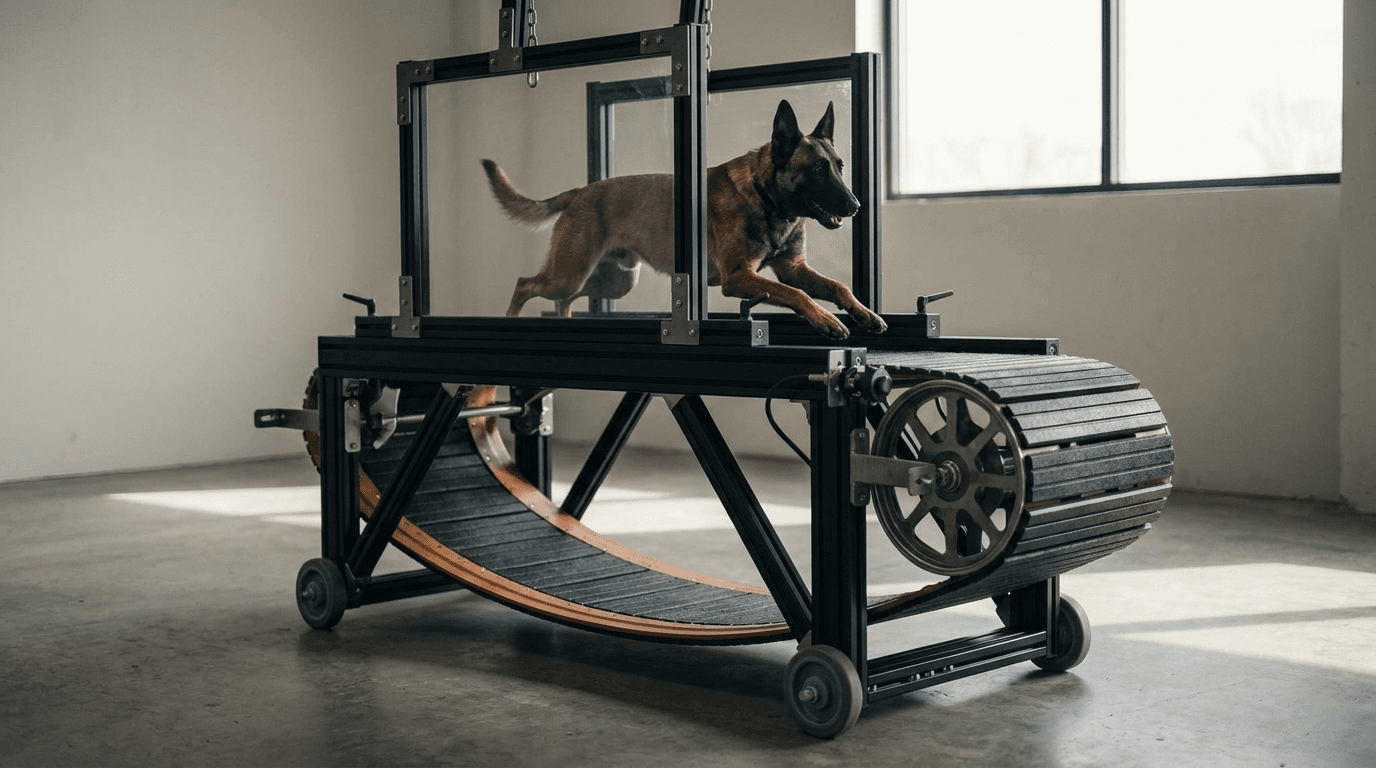
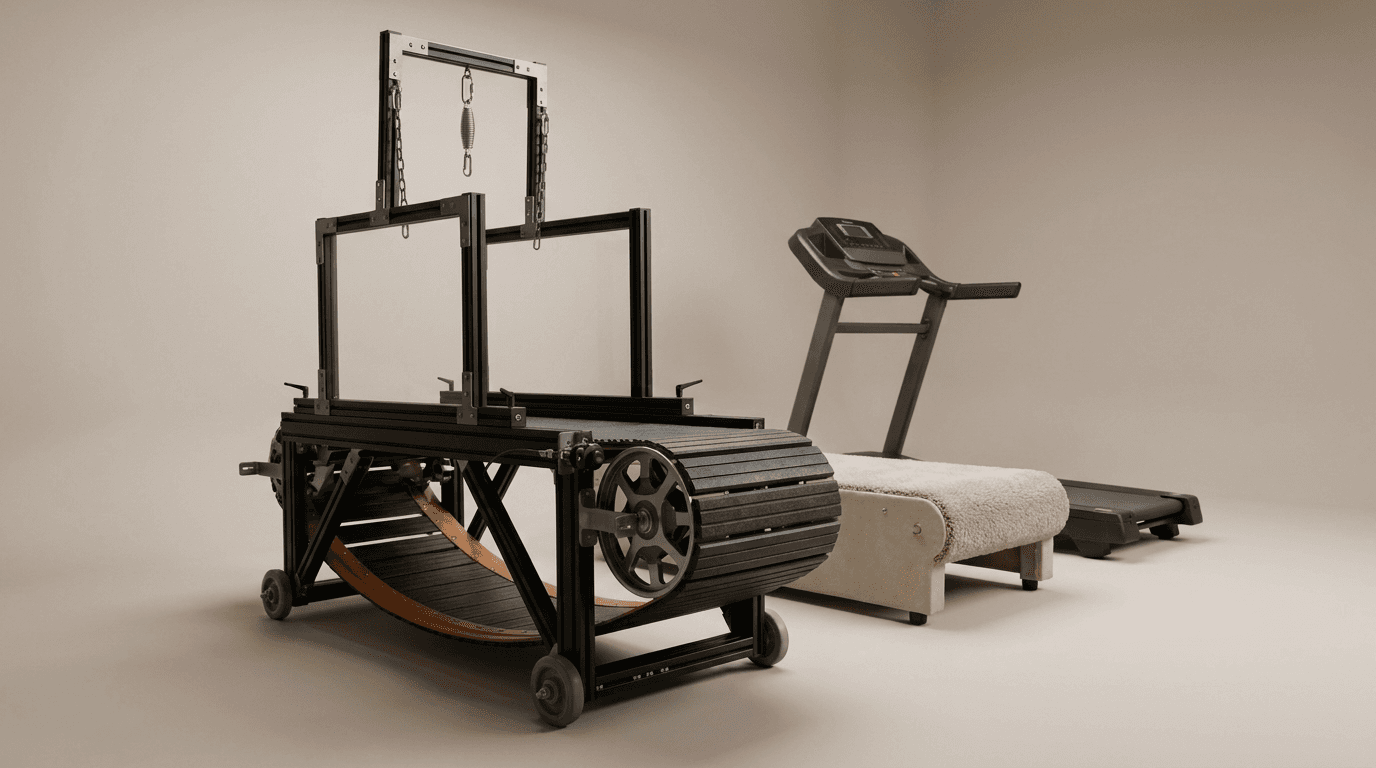
A slatmill at slow walking speed provides controlled, low-impact movement on a shock-absorbing surface. The dog sets the pace — they'll never be forced to move faster than comfortable.
Senior slatmill protocol:4. Gentle Stretching
Range-of-motion exercises maintain joint flexibility:
5. Nose Work
Scent games are perfect for seniors — mentally stimulating without physical strain. Hide treats around a room, use snuffle mats, play "find it."
6. Short Training Sessions
Senior dogs can still learn. 5-minute sessions with easy commands and plenty of treats. Mental engagement slows cognitive decline.
Joint Support Beyond Exercise
Signs You're Doing Too Much
If you see these: reduce duration and intensity. Consult your vet.
Signs You're Not Doing Enough
The solution isn't rest — it's the right kind of movement.
The Bottom Line
"Use it or lose it" applies to senior dogs more than any other age group. Gentle, consistent exercise maintains mobility, manages weight, and preserves quality of life. A slatmill at walking pace provides the safest, most controlled way to keep a senior dog moving.
See HoundPower Slatmills →