Weight pulling is one of the fastest-growing dog sports — and one of the most misunderstood. It's not about brute force. It's about drive, technique, and the bond between dog and handler.
Any breed can compete. Here's how to start.
What Is Weight Pulling?
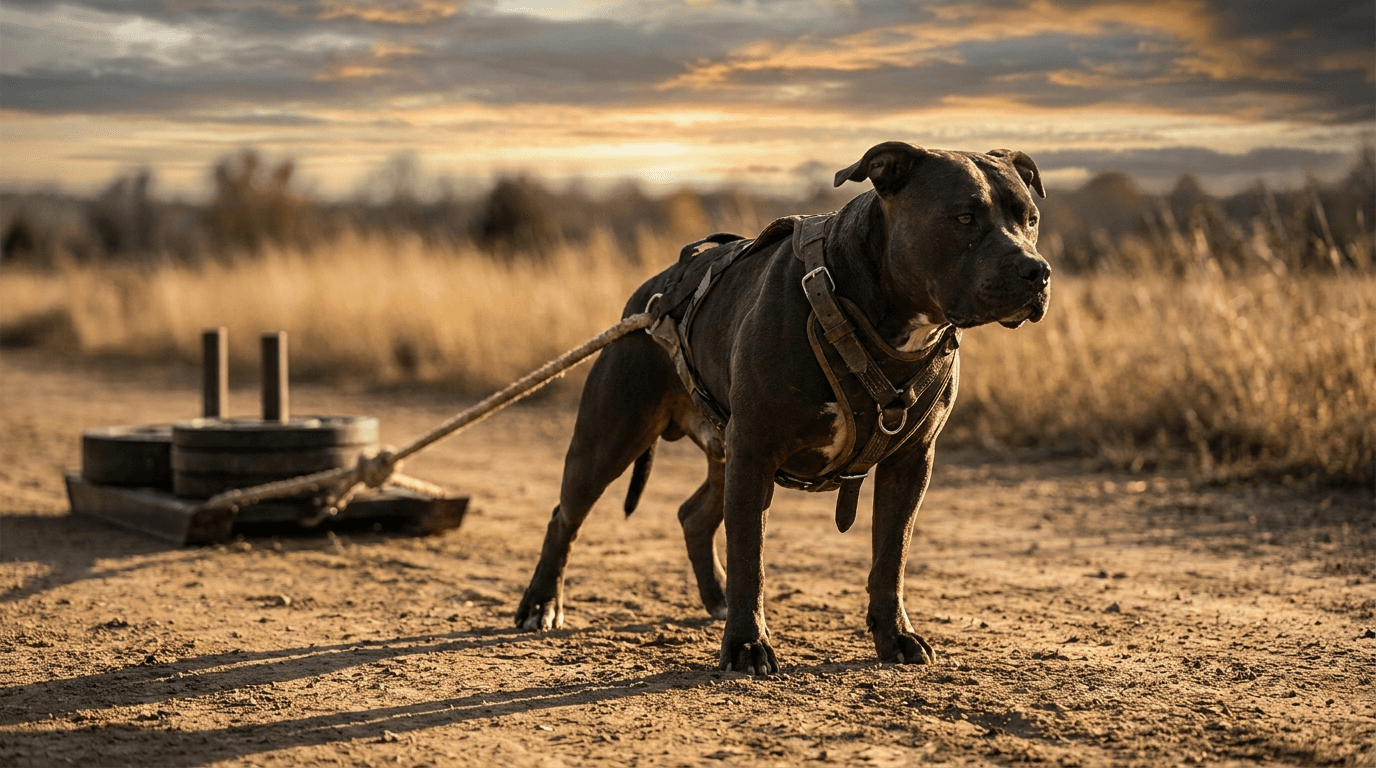
The dog wears a specialized harness attached to a weighted cart or sled. On command, they pull the weight a set distance (usually 16 feet) within a time limit (usually 60 seconds). Weight increases each round until only one dog remains.
It looks intense. But done properly, it's one of the safest dog sports — lower injury rates than agility, dock diving, or disc dog.
Can My Dog Do It?
Yes, with conditions:
•Age: 18-24 months minimum (growth plates must be fully closed)
•Health: Vet clearance required. No orthopedic issues, heart conditions, or respiratory problems.
•Breed: Any breed. Pit Bulls and Bullies dominate, but Malamutes, Huskies, Rottweilers, GSDs, and even small breeds compete in their weight class.
•Temperament: The dog must want to pull. You cannot force this. Drive is everything.
Equipment You Need
Essential
•Weight pull harness — NOT a regular harness. Weight pull harnesses distribute load across the chest and shoulders, not the neck. Brands: Stillwater, Alpine Outfitters. $50-$120.
•Cart or sled — starts around $100 for a basic rail cart. Competition sleds are $200-$500.
•Weight — concrete blocks, sand bags, or weight plates. Start with the empty cart (usually 20-40 lbs).
Optional
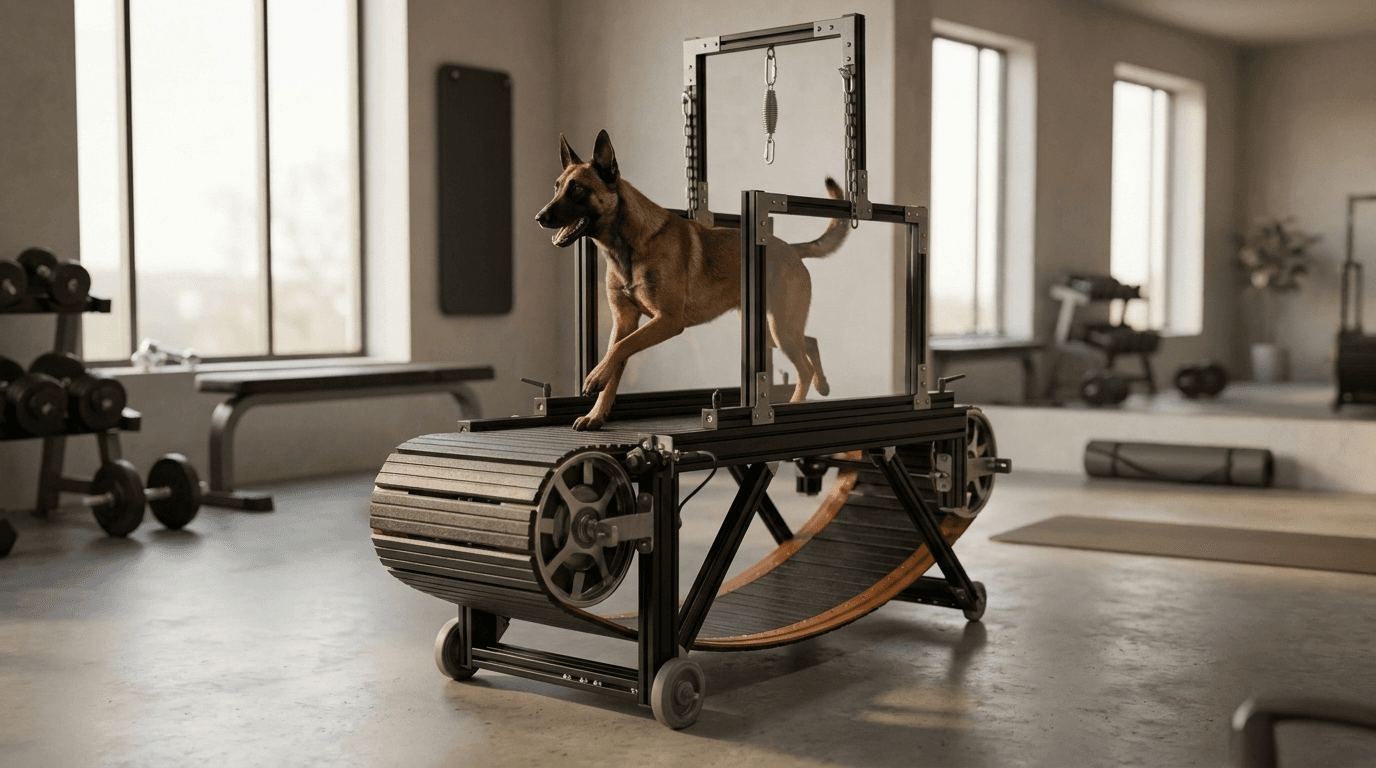
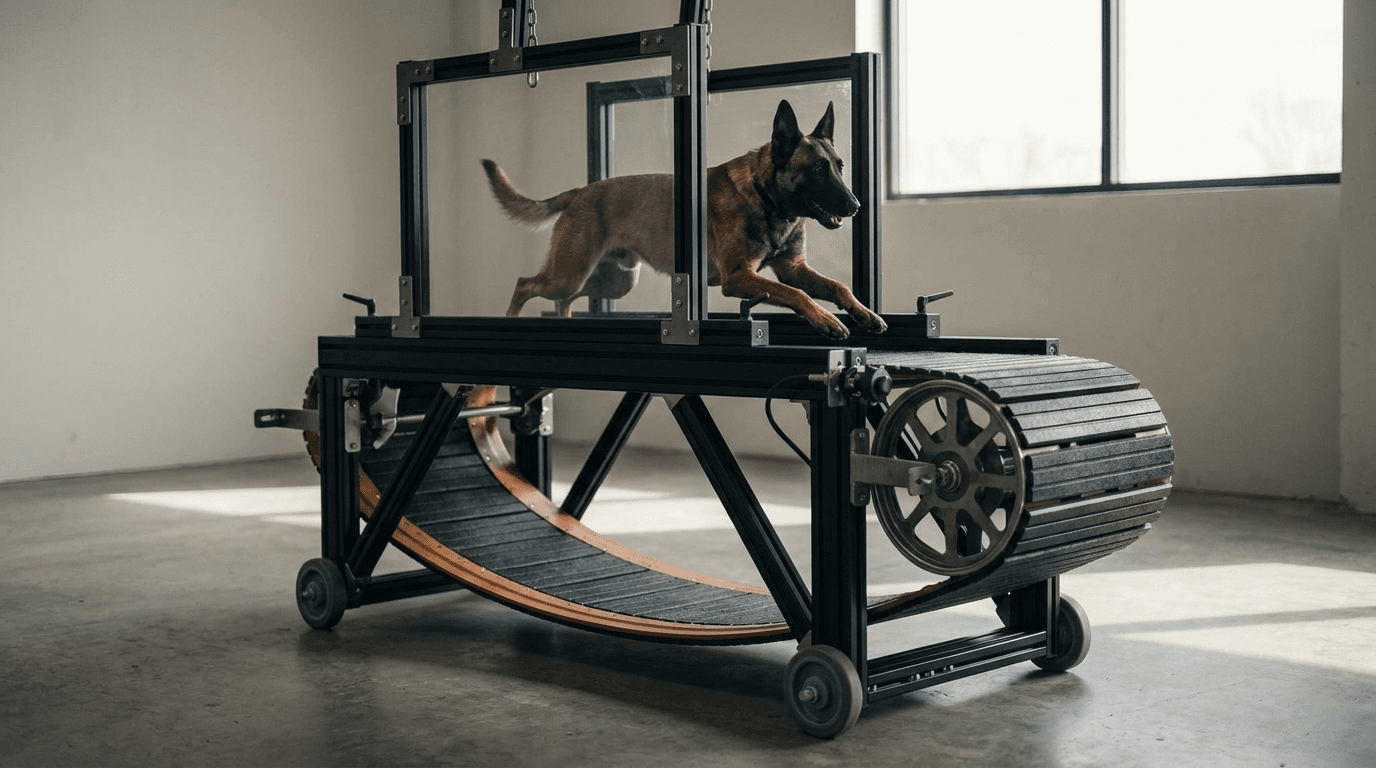
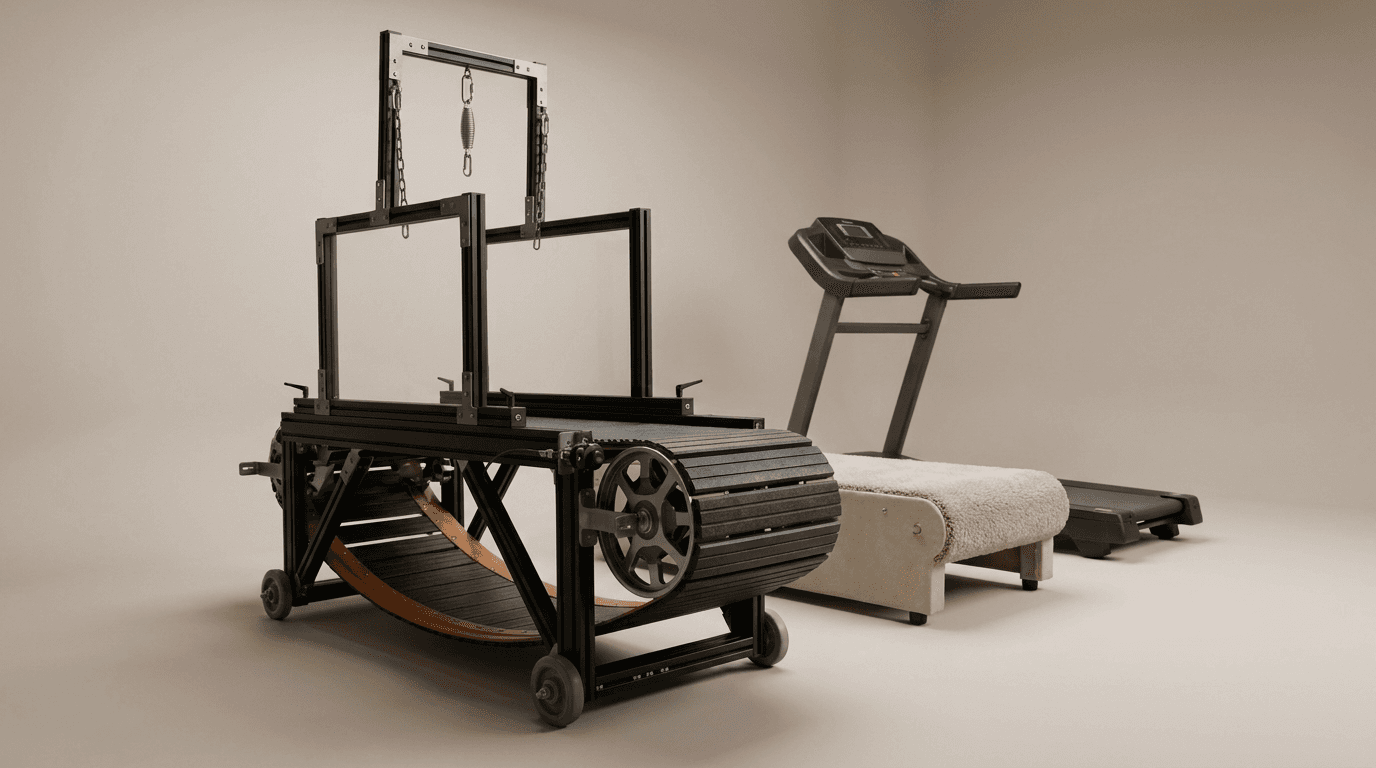
•Slatmill — builds the cardiovascular base and forward drive that weight pulling requires
•Spring pole — builds grip, neck, and shoulder strength
•Drag weight — a weighted drag bag for training walks
The Training Progression
Phase 1: Drive Building (Weeks 1-4)
No weight. No cart. Just building the behavior of pulling forward on command.
•Walk your dog in the weight pull harness with light tension on the lead
•Practice the "pull" command — call them toward you with excitement
•Use a slatmill — it naturally teaches forward drive (the dog pushes the belt)
•Reward forward movement enthusiastically. Drive is built through enthusiasm, not pressure.
Phase 2: Cart Introduction (Weeks 5-8)
•Introduce the empty cart. Let the dog sniff it, walk around it.
•Attach the harness to the empty cart. The dog pulls the empty weight.
•Short distances (10-20 feet). Lots of treats and praise.
•Gradually increase distance to full 16-foot pull.
•Practice "ready" (set position) and "pull" (go) commands.
Phase 3: Adding Weight (Weeks 9-12)
•Add weight in small increments (10-20 lbs at a time)
•Never add more than 10% of the current load per session
•Pull distance: 16 feet (competition standard)
•3-5 pulls per session maximum. This is intense work.
•Rest 3-5 minutes between pulls.
Phase 4: Competition Prep (Weeks 13+)
•Practice in distracting environments
•Simulate competition conditions (noise, crowd, unfamiliar surfaces)
•Taper training 1 week before competition (reduce volume 50%)
•Focus on mental readiness — the dog should be excited, not stressed
How Slatmill Training Supports Weight Pull
A slatmill builds the exact foundation weight pulling requires:
•Forward drive — the dog learns to push forward against resistance
•Rear-end strength — the same hamstring and glute muscles that power a pull
•Cardiovascular base — a conditioned dog recovers faster between pulls
•Mental focus — sustained effort on a slatmill builds the concentration weight pulling demands
Most serious weight pull competitors use a slatmill as their primary conditioning tool between competitions.
Safety Rules
•Never exceed your dog's limits. If they struggle or refuse, the weight is too heavy. Reduce it.
•Never force a pull. The dog must want to do it. A dog that doesn't want to pull will never be competitive — and forcing creates injury risk.
•Warm up before every session. 5 minutes of walking minimum.
•Cool down after. 5 minutes of walking, then water.
•Limit sessions. 3-5 pulls max per training session. This isn't endurance work — it's maximal effort.
•Rest days. Minimum 2-3 days between weight pull sessions. Muscles need recovery time.
Where to Compete
Weight pulling is sanctioned by multiple organizations:
•UKC (United Kennel Club) — largest registry
•IWPA (International Weight Pull Association)
•APA (American Pulling Alliance)
•CKC (Canadian Kennel Club)
Search for events in your area. Most organizations welcome newcomers and offer beginner divisions.
The Bottom Line
Weight pulling is a rewarding, safe, and accessible sport for almost any dog. The foundation is drive and conditioning — both of which a slatmill builds naturally. Start with the behavior, not the weight.
See HoundPower Slatmills — build the foundation for weight pull →Ready to Get Started?
The HoundPower Slatmill is built for serious dog owners. Free shipping in Canada.
Shop Slatmills