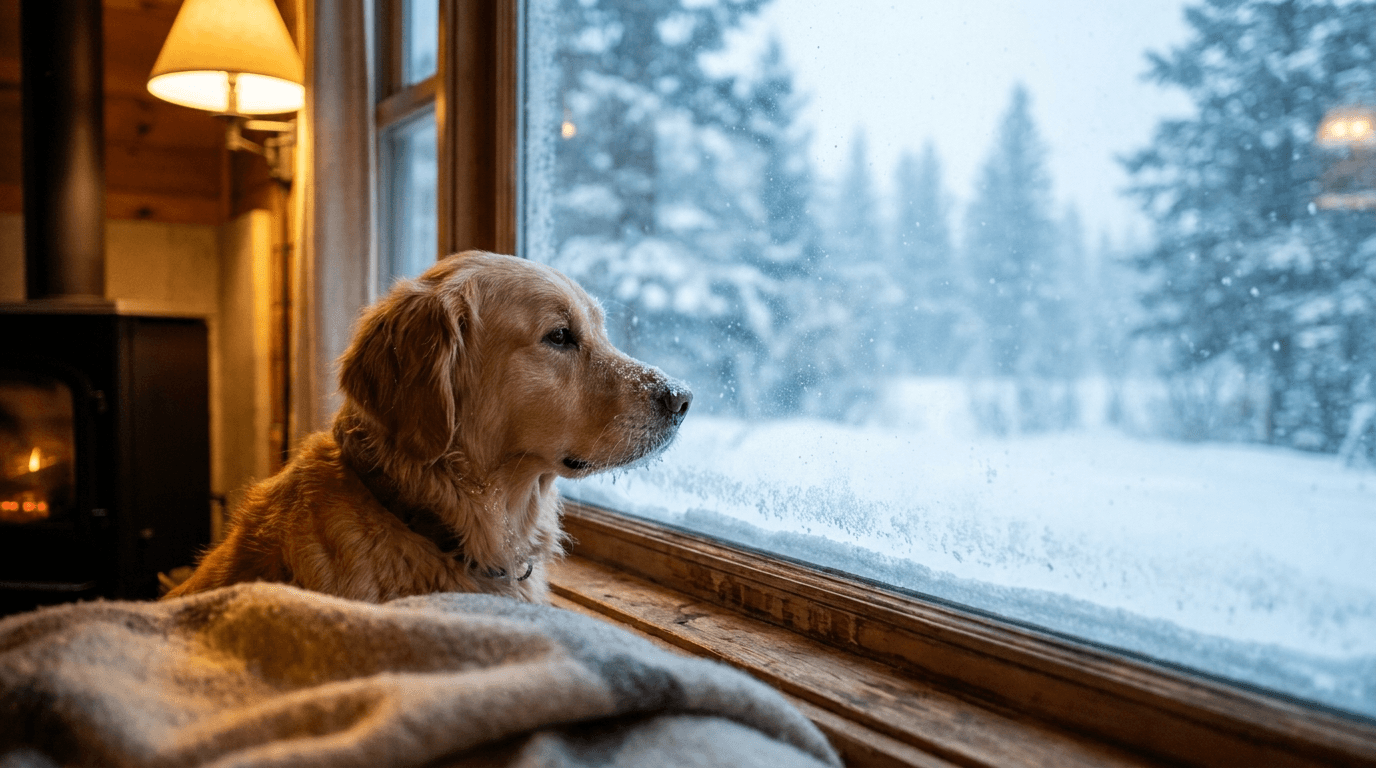
If you live in Canada, you know the reality: 5-6 months of the year, outdoor dog exercise is a battle. Between November and April, you're dealing with ice, salt, extreme cold, short daylight, and the constant question: "Is it too cold to walk my dog?"
The Ontario SPCA puts it simply: "If it's too cold for you, it's too cold for your dog."
So what do you do for half the year?
The Risks of Winter Exercise Outdoors
Short outdoor walks are fine on mild winter days. But relying on outdoor walks as your dog's primary exercise from November through April in most of Canada is unrealistic.
Indoor Exercise That Actually Works
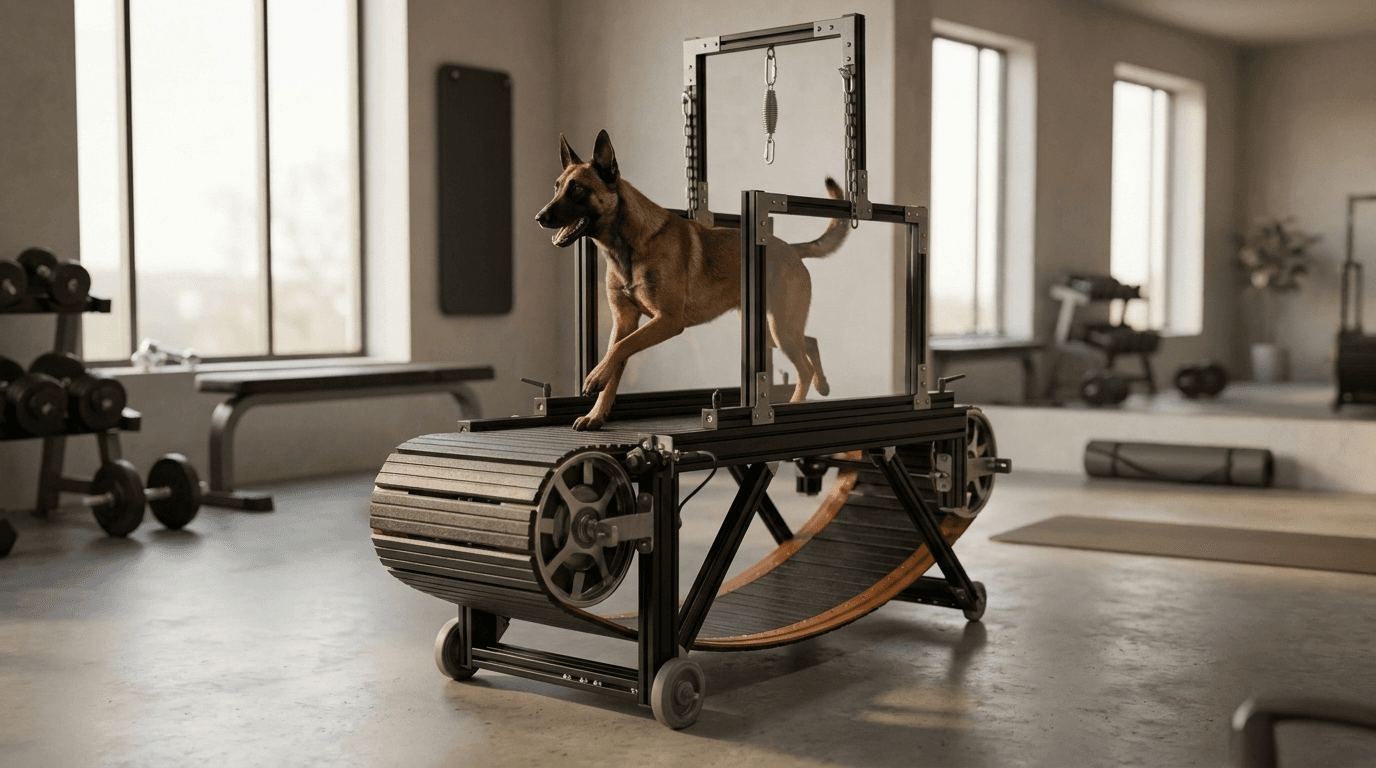
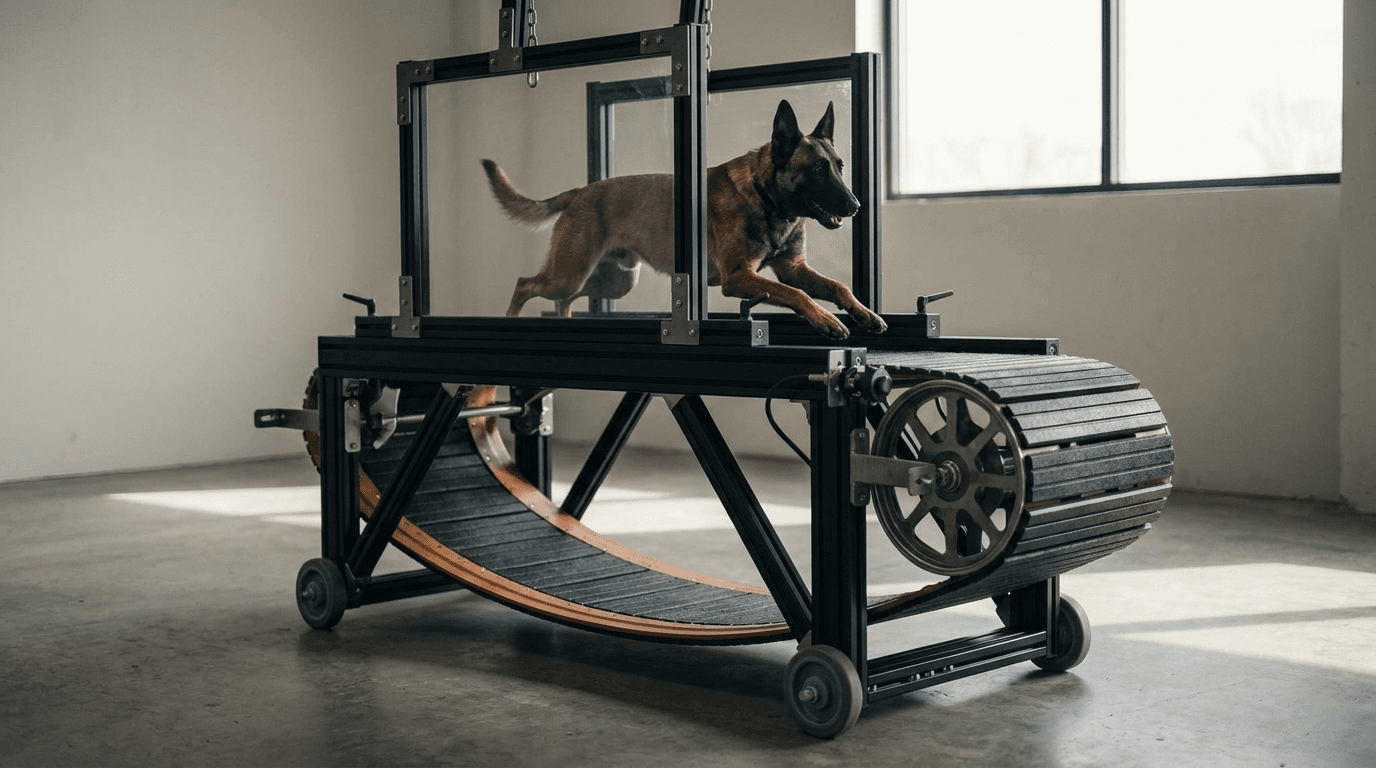
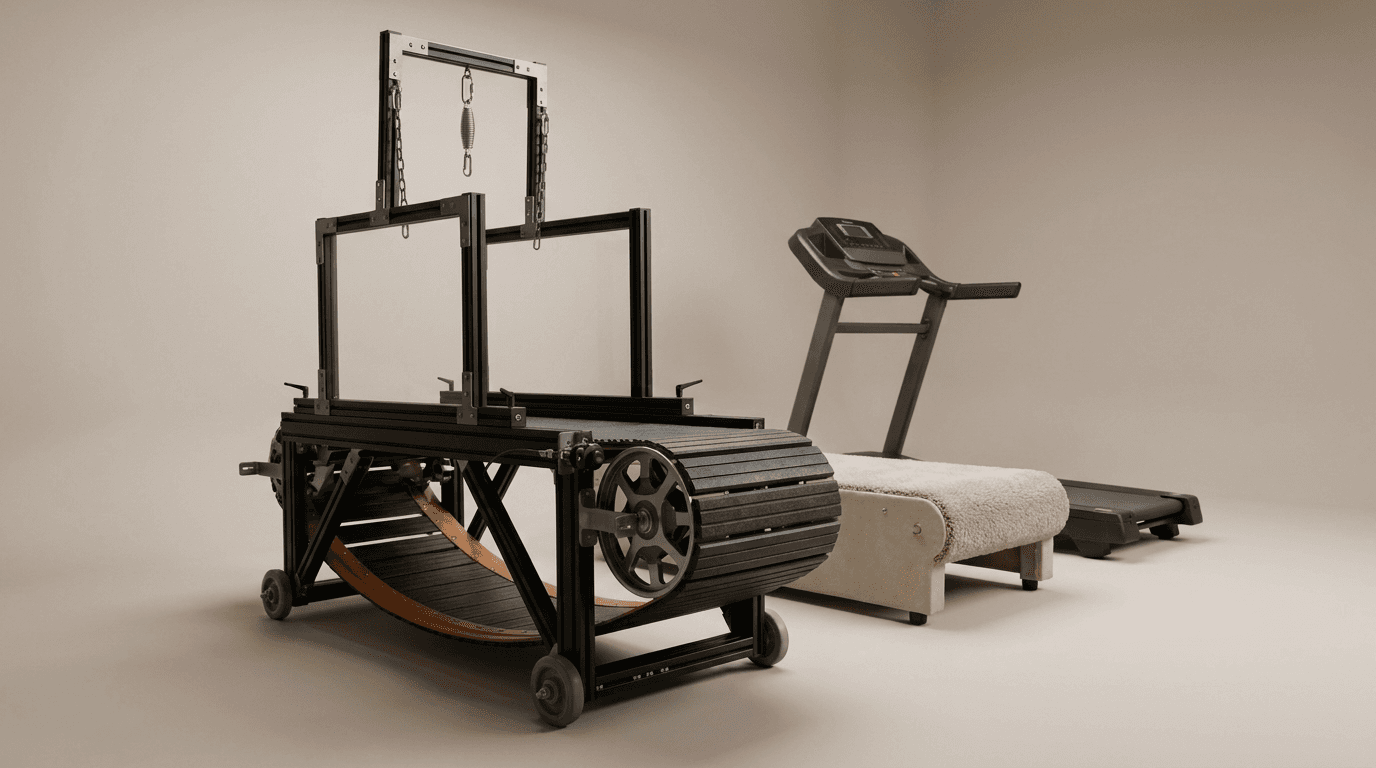
1. Slatmill (Top Pick)
A dog-powered treadmill that delivers a full workout indoors. No electricity needed. Your dog controls the pace. 5 minutes of sprinting can drain more energy than a long winter walk in the cold. This is the single best investment for a Canadian dog owner who wants consistent year-round exercise.
2. Stair Running
If you have stairs, you have a gym. Toss a ball up the stairs and let your dog sprint after it. The vertical effort burns far more energy than flat-ground running. 10-15 minutes is a solid session.
3. Flirt Pole
A flexible pole with a toy on the end. Your dog chases, jumps, and grabs. Works in a living room or basement. 10 minutes exhausts most dogs.
4. Indoor Fetch
Hallways work. Clear a path, use a soft ball, and let them sprint. Not ideal for small apartments but works well in houses.
5. Tug-of-War
Builds jaw, neck, shoulder, and core strength. Requires nothing but a tug toy and 10 minutes of your time.
6. Puzzle Feeders and Scent Work
Mental exercise tires dogs as much as physical exercise. Snuffle mats, puzzle feeders, hide-and-seek with treats — all drain energy without needing space.
7. Indoor Agility
DIY with household items: broomsticks across chairs for jumps, hula hoops for targets, blankets over chairs for tunnels. Combines physical and mental challenge.
The Canadian Dog Owner's Winter Schedule
Morning (before work):This schedule takes ~45 minutes total but delivers more effective exercise than a single 60-minute cold-weather walk.
Protecting Paws in Winter
For the outdoor walks you do take:
The Bottom Line
Canadian winters are 5-6 months long. Your dog's fitness shouldn't take a 6-month break. A slatmill and a few indoor tools keep your dog in peak condition from the first snowfall to the spring thaw.
See HoundPower Slatmills — built in Canada, for Canadian winters →