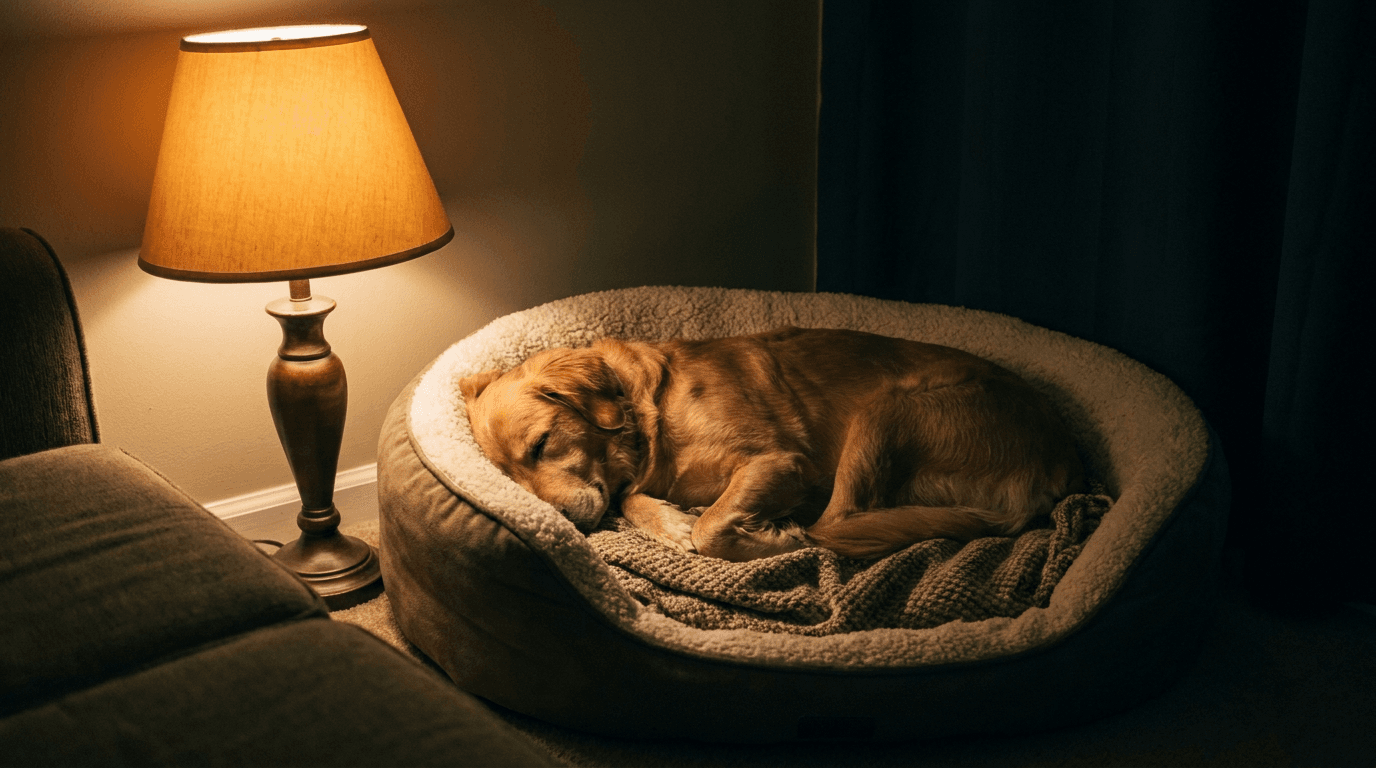
Your dog is restless at night. Pacing. Getting up and lying back down. Panting. Maybe whining. You've tried different beds, different rooms, different routines. Nothing works.
The problem probably isn't where they sleep. It's what they did — or didn't do — during the day.
The Exercise-Sleep Connection
The research is straightforward:
It works the same way in dogs as it does in humans: tire the body, tire the mind, sleep comes naturally.
How Much Exercise for Good Sleep?
There's no magic number, but the pattern is consistent:
The minimum effective dose for most breeds: 30-45 minutes of real exercise (not a leisurely walk — actual physical work).
Evening Exercise: Help or Hurt?
Common advice says "don't exercise your dog before bed — it'll wind them up." The research says otherwise:
Signs Your Dog Isn't Sleeping Well
If your dog shows these signs and has no underlying health issues, insufficient exercise is the most likely cause.
The Sleep Protocol
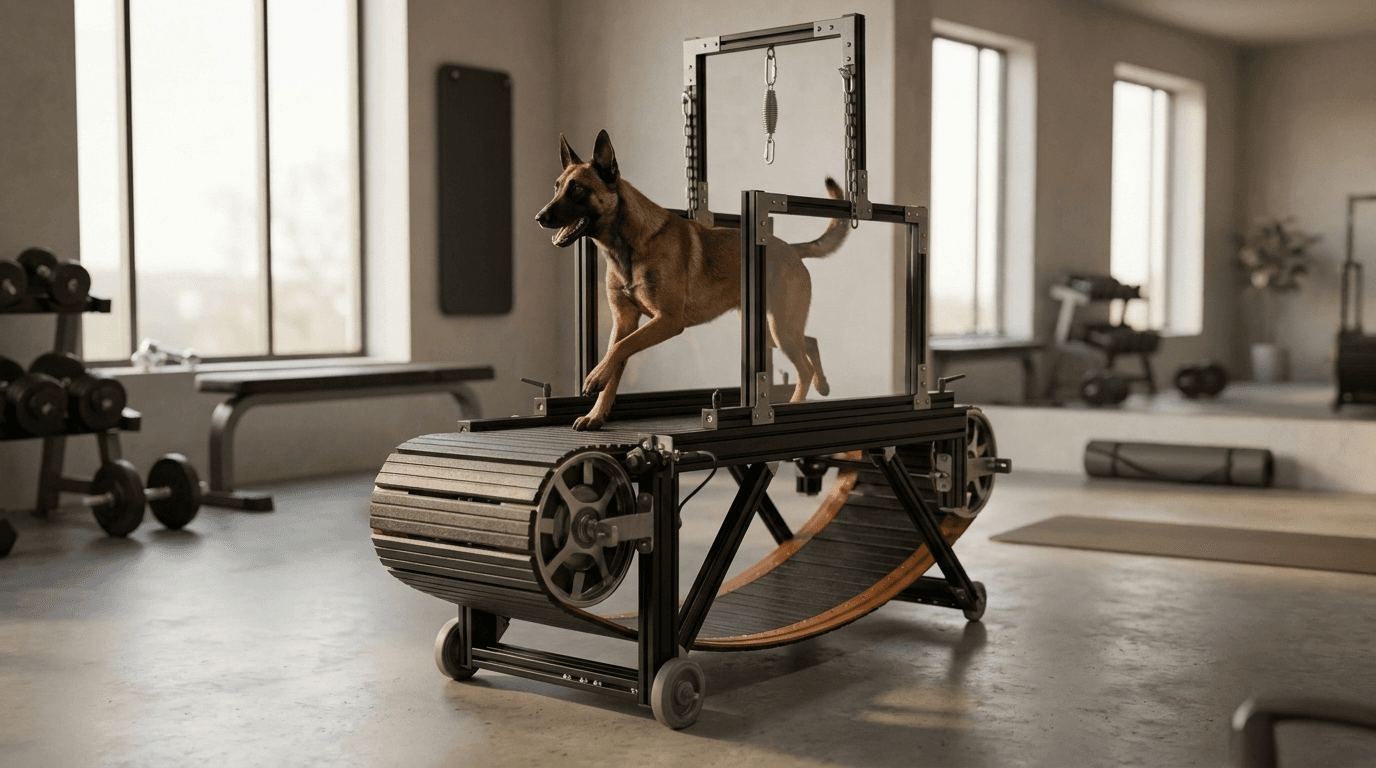
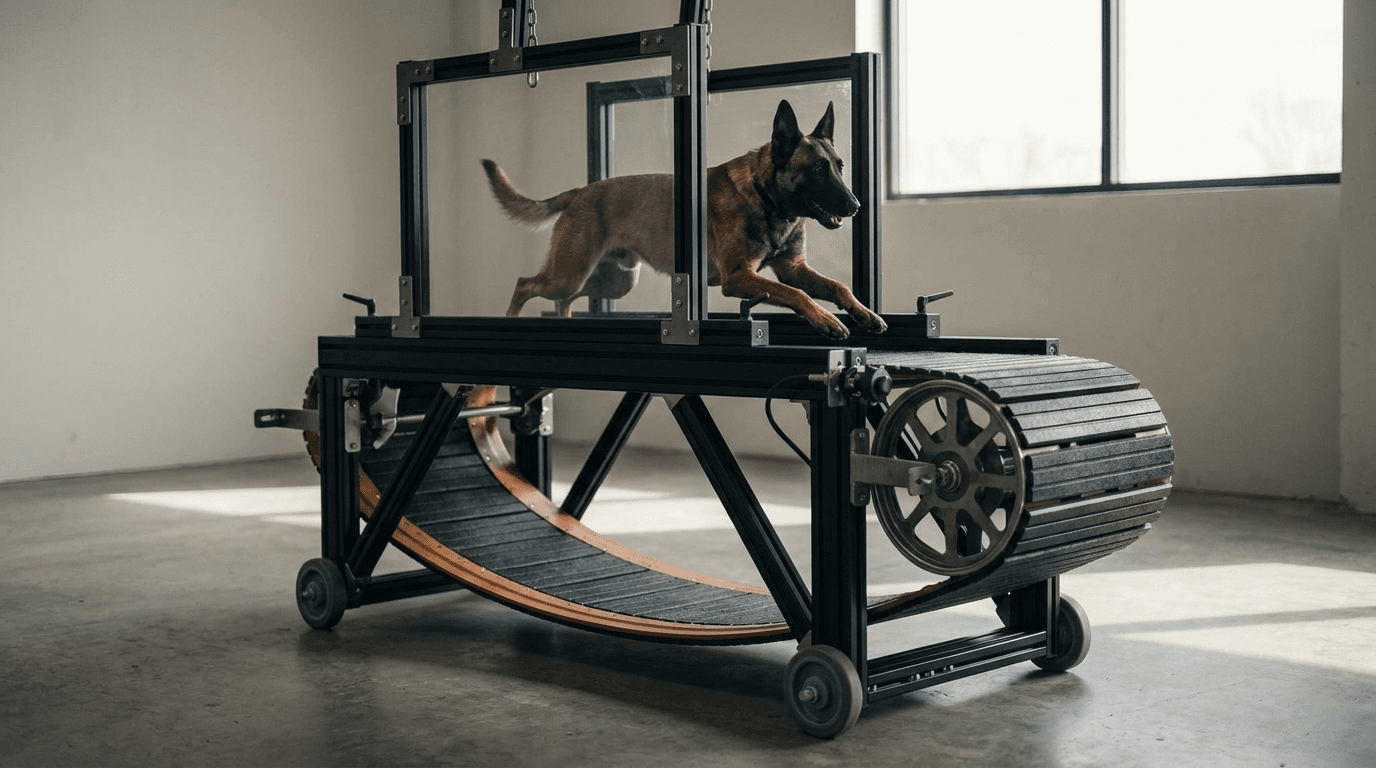
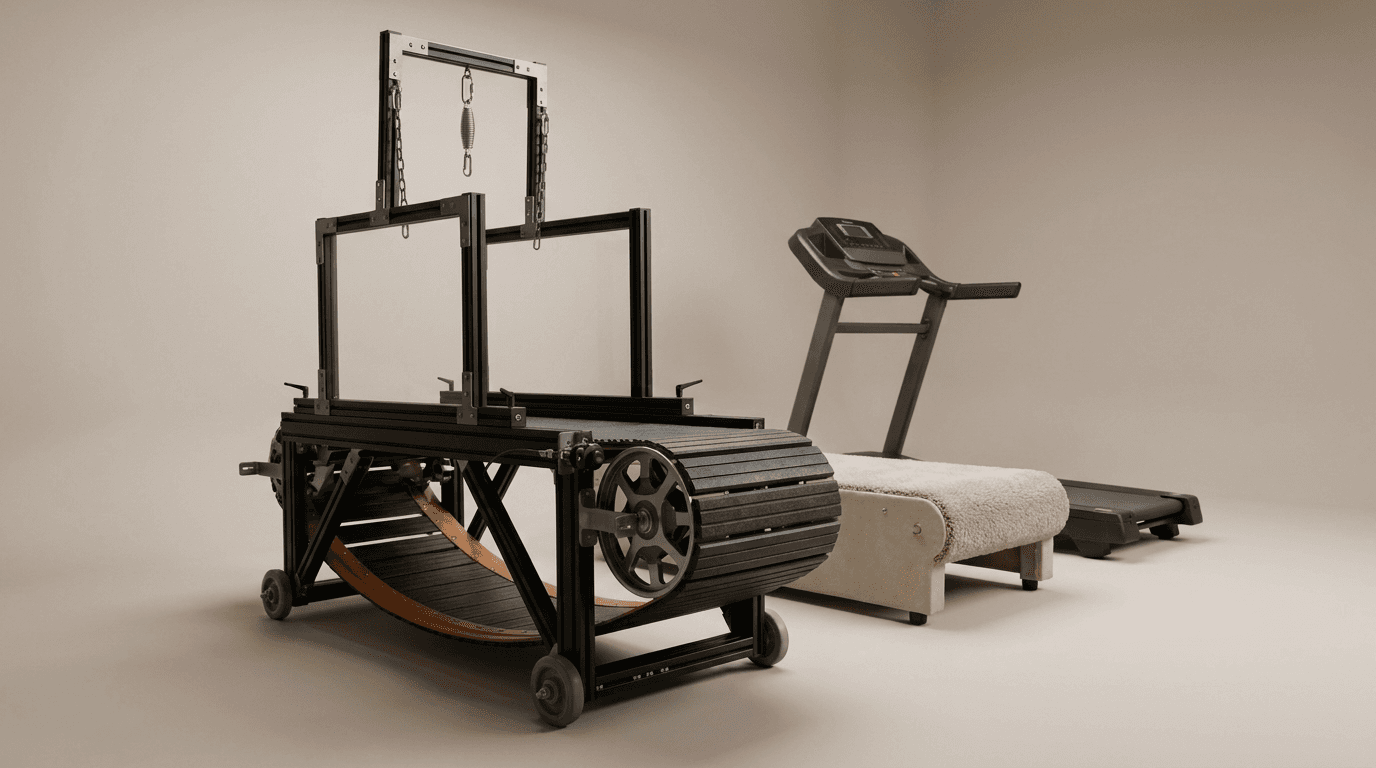
Morning: 15-20 min vigorous exercise (slatmill, fetch, or run). Sets the metabolic tone for the day. Midday: Mental stimulation (puzzle feeder, training, scent work). Tires the brain. Evening (2 hours before bed): 10-15 min moderate exercise (slatmill at trotting pace or calm walk). Physical wind-down. Before bed: 5 min calm routine (gentle brushing, massage, or quiet time). Signals the transition to sleep.Within 1-2 weeks of this protocol, most dogs show dramatically improved sleep patterns.
When It's Not About Exercise
If your dog sleeps poorly despite adequate exercise, consider:
Rule these out with your vet if exercise alone doesn't improve sleep quality.
The Bottom Line
A dog that runs during the day sleeps at night. It's that simple. A slatmill session in the morning and a moderate session in the evening is the most reliable sleep protocol available — no medication, no supplements, no expensive beds. Just movement.
See HoundPower Slatmills →