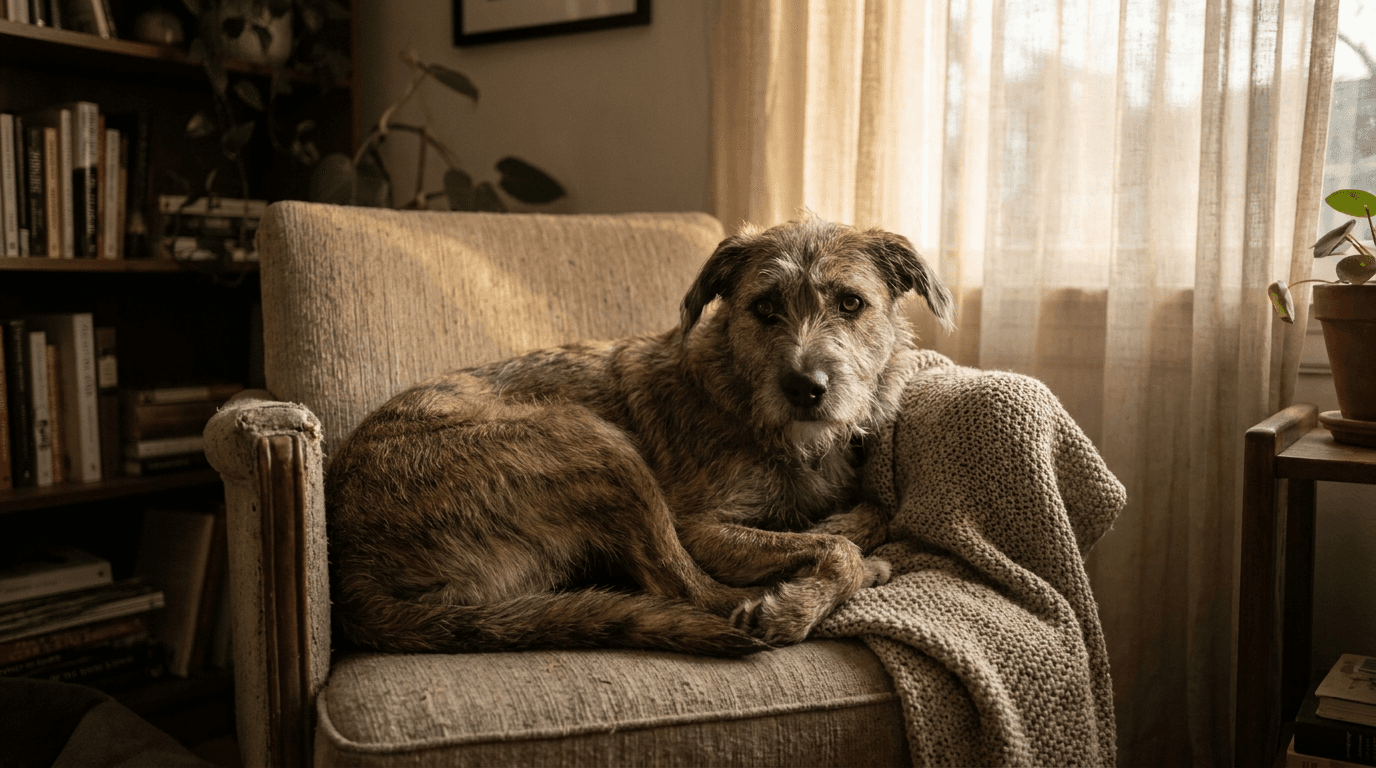
A 2020 study surveying over 4,000 dogs across 16 countries found that 44% of dogs show anxiety symptoms. Noise sensitivity, separation anxiety, fear of other dogs, generalized anxiety — it's far more common than most owners realize.
The good news: exercise is one of the most effective, science-backed interventions for canine anxiety. And it's free.
The Science
Exercise affects anxiety through multiple biological pathways:
Even 20-30 minutes of activity makes a noticeable difference in most dogs. A minimum of 1 hour daily is recommended for dogs with anxiety.
Types of Anxiety Exercise Helps
Separation Anxiety
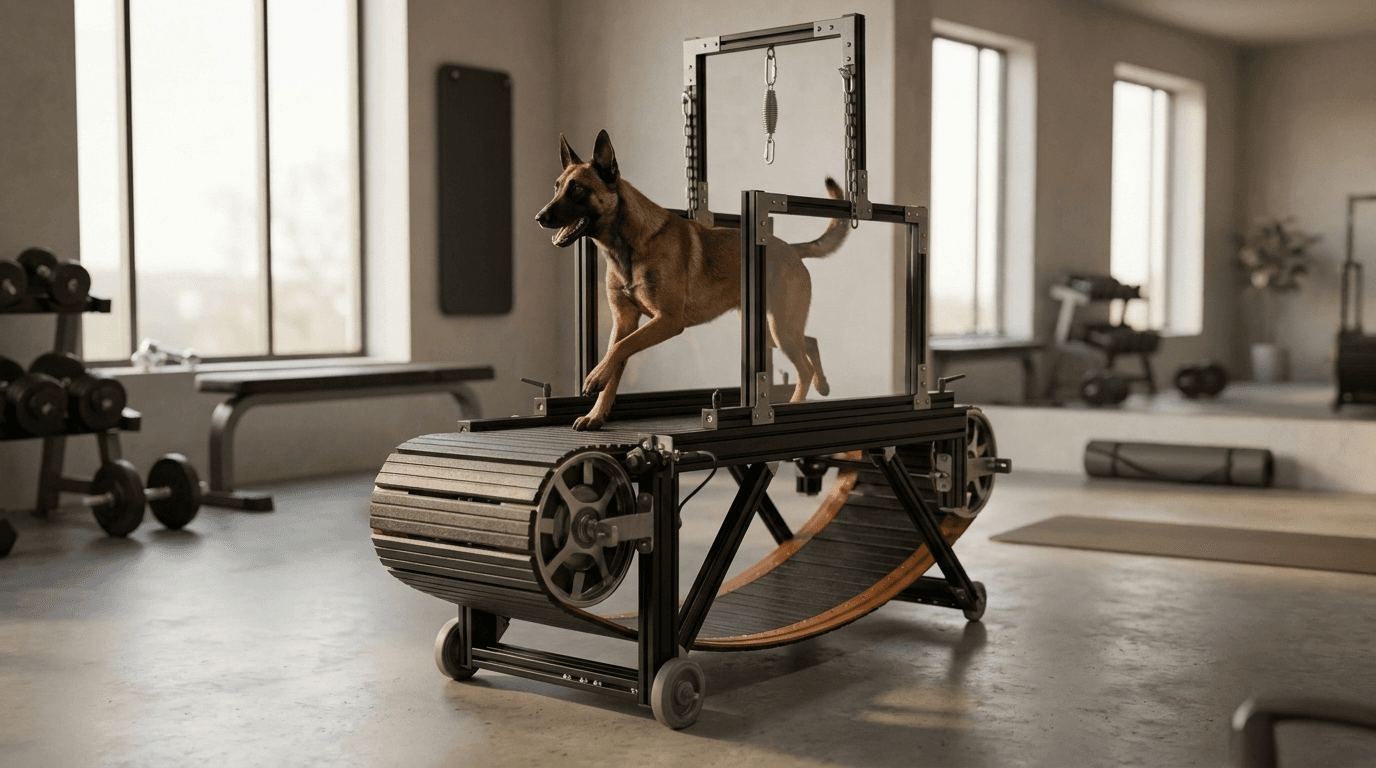
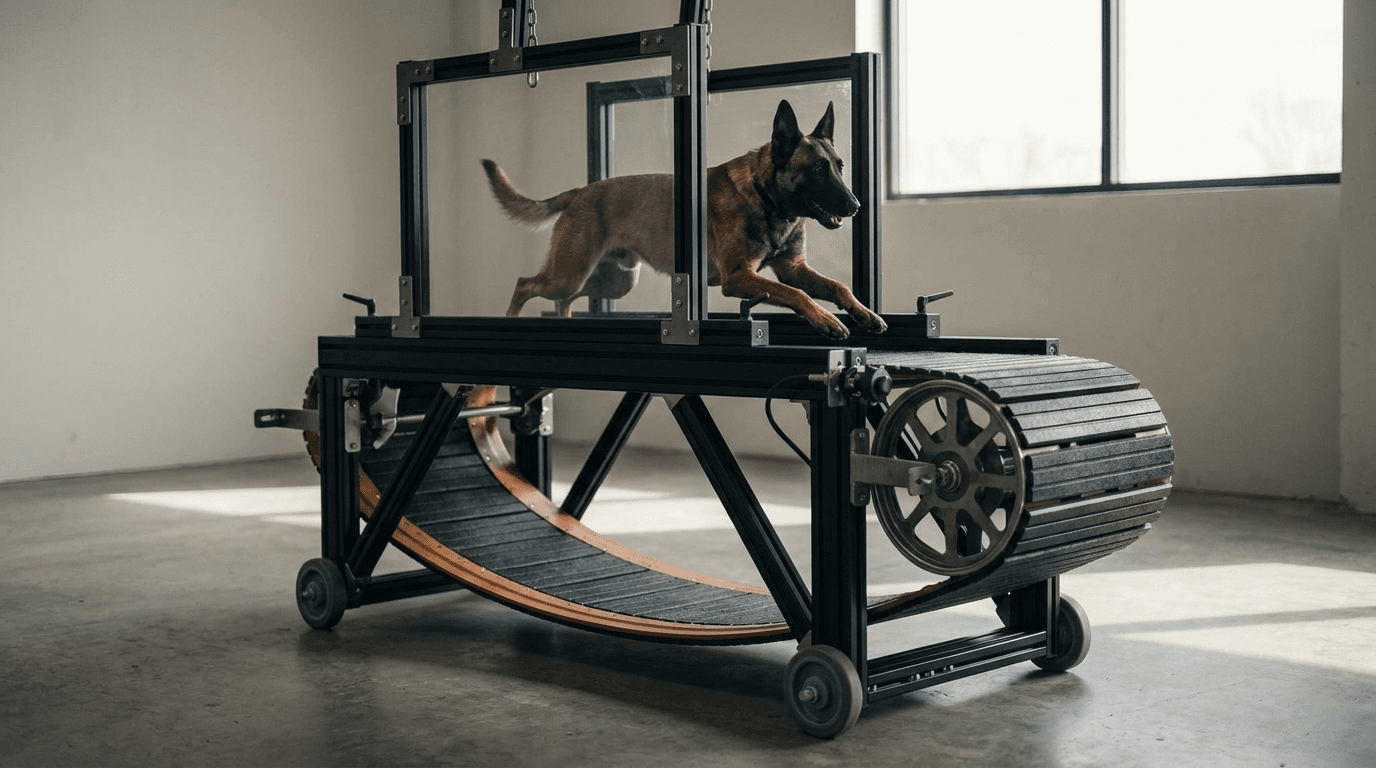
The ASPCA links insufficient exercise to separation anxiety and destructive behavior. A dog that runs hard before the owner leaves has significantly fewer separation symptoms. The slatmill is ideal here — 10-15 minutes of intense exercise before you walk out the door.
Generalized Anxiety
Dogs that pace, pant, tremble, or can't settle benefit from consistent daily exercise. The routine itself is calming — the dog knows what to expect, which reduces uncertainty-driven anxiety.
Noise Anxiety
While exercise won't eliminate noise phobias (thunderstorms, fireworks), a physically tired dog copes better with noise events. Pre-storm exercise can reduce the intensity of the anxiety response.
Social Anxiety
Dogs that are reactive or fearful around other dogs or people benefit from exercise that doesn't require social interaction. A slatmill provides intense exercise in a controlled, solo environment — no triggers, no confrontation.
Why a Slatmill Works for Anxious Dogs
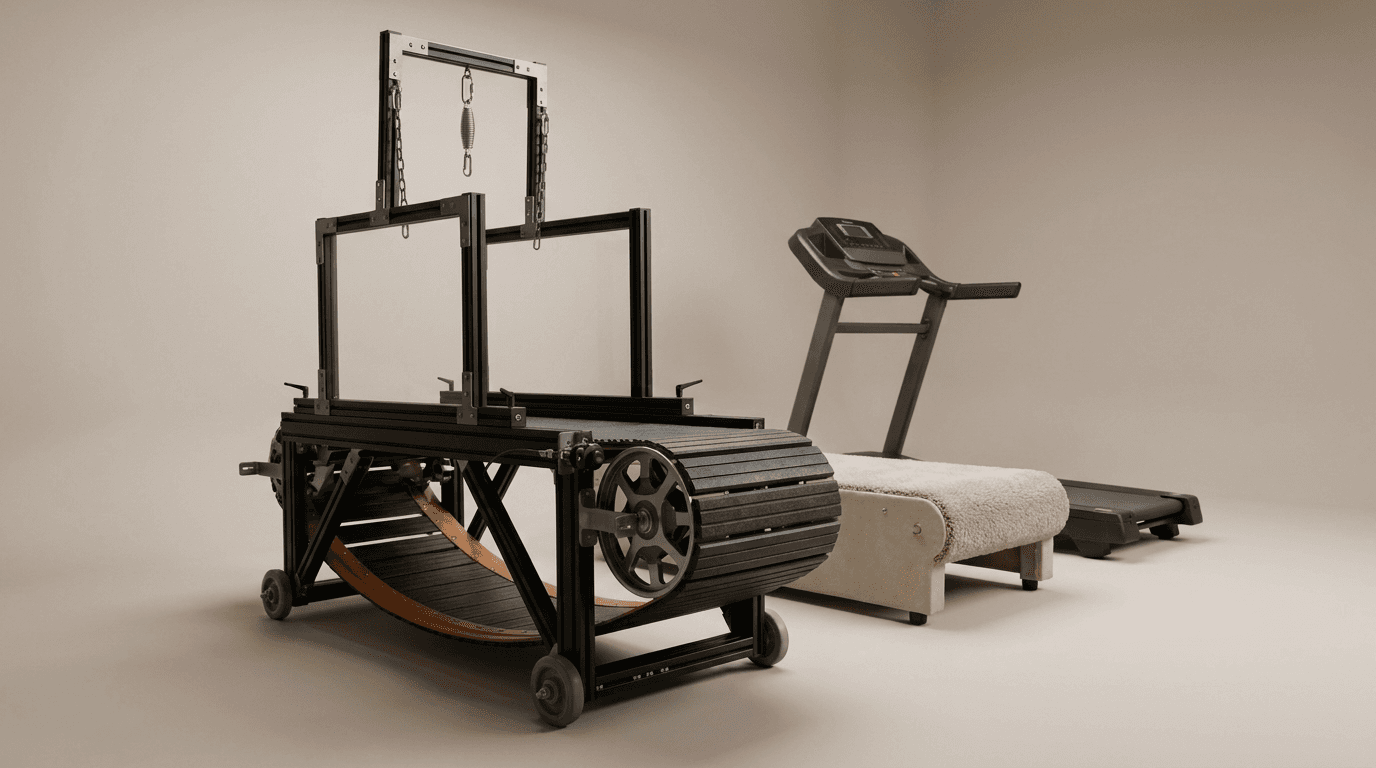
Most anxious dogs have triggers that make outdoor exercise stressful: other dogs, traffic, strangers, unpredictable environments. A slatmill removes all of these:
The Protocol for Anxious Dogs
Start gentle. Anxious dogs are often wary of new things. The slatmill introduction should be slower and more patient than for a confident dog.Exercise vs. Medication
Exercise should always be tried before medication for anxiety (unless the anxiety is severe and causing self-harm or total inability to function). Many dogs that were prescribed anti-anxiety medication see dramatic improvement from consistent exercise alone.
That said, some dogs genuinely need both. Exercise + medication is more effective than either alone. Consult your vet for severe cases.
The Bottom Line
44% of dogs have anxiety. Exercise is the most accessible, evidence-based treatment available. A slatmill provides the controlled, predictable, triggerfree environment that anxious dogs specifically need — with the physical intensity to actually move the needle on their anxiety.
See HoundPower Slatmills →