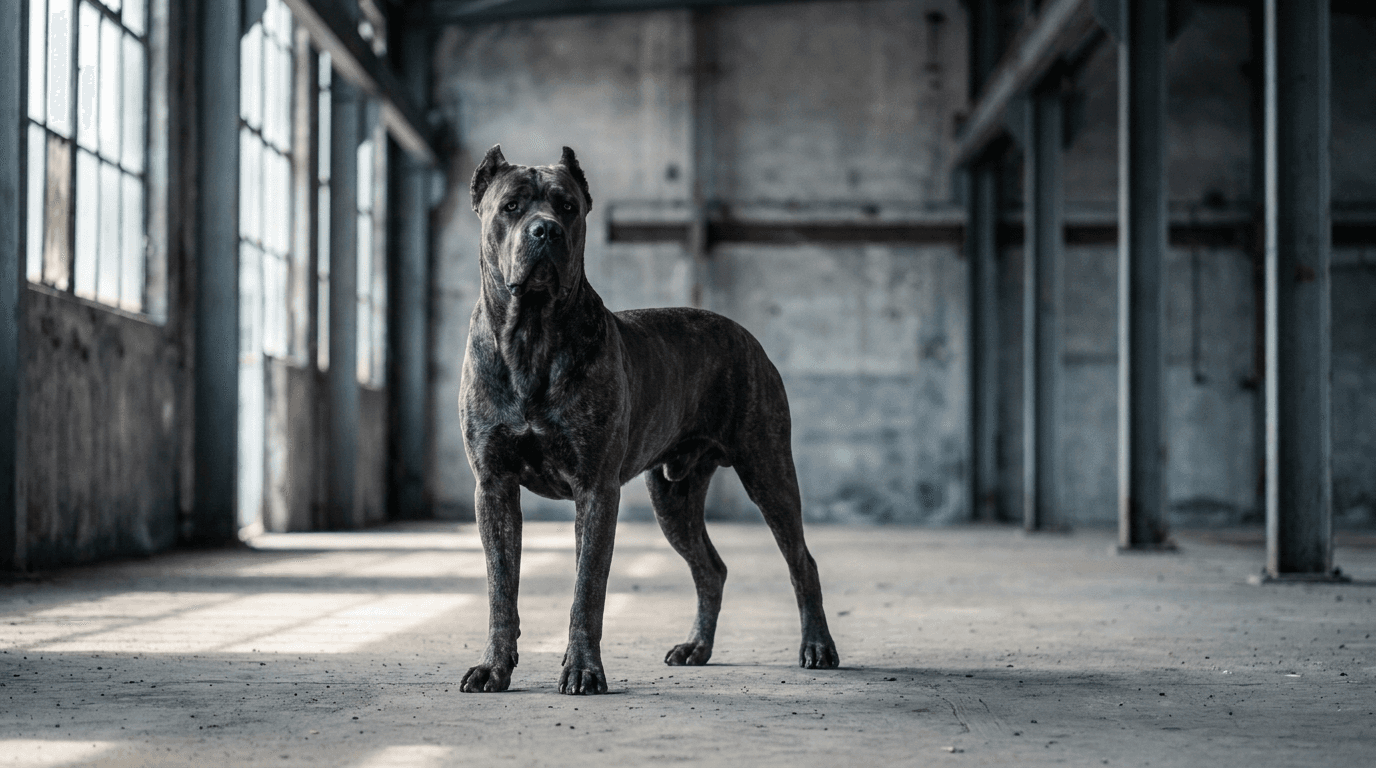
The Cane Corso has surged in popularity — AKC registration has grown over 500% in the past decade. They're impressive dogs: 90-120 lbs of muscle, intelligence, and guardian instinct. But many new Corso owners are unprepared for what this breed actually needs.
How Much Exercise Does a Cane Corso Need?
60-90 minutes of daily exercise. Moderate to high intensity. This isn't a breed that's satisfied with a stroll around the block.By Age:
The Giant Breed Challenge
Cane Corsos face breed-specific exercise challenges:
Growth plates close late. At 18-24 months for giant breeds. This means nearly two full years where high-impact exercise can cause permanent damage. Many Corso owners ruin their dog's joints during adolescence without realizing it. Bloat risk (GDV). Corsos are deep-chested — one of the breeds most susceptible to gastric torsion. Never exercise within 1 hour before or after meals. This is a life-threatening emergency. Joint load. A 110 lb dog puts enormous force through joints with every step. Running on hard surfaces accelerates wear. Low-impact exercise on forgiving surfaces is critical. Breed-specific legislation. Some areas restrict Corsos. This limits outdoor exercise options and makes indoor alternatives more important.Best Exercises for Cane Corsos
1. Slatmill at Moderate Pace
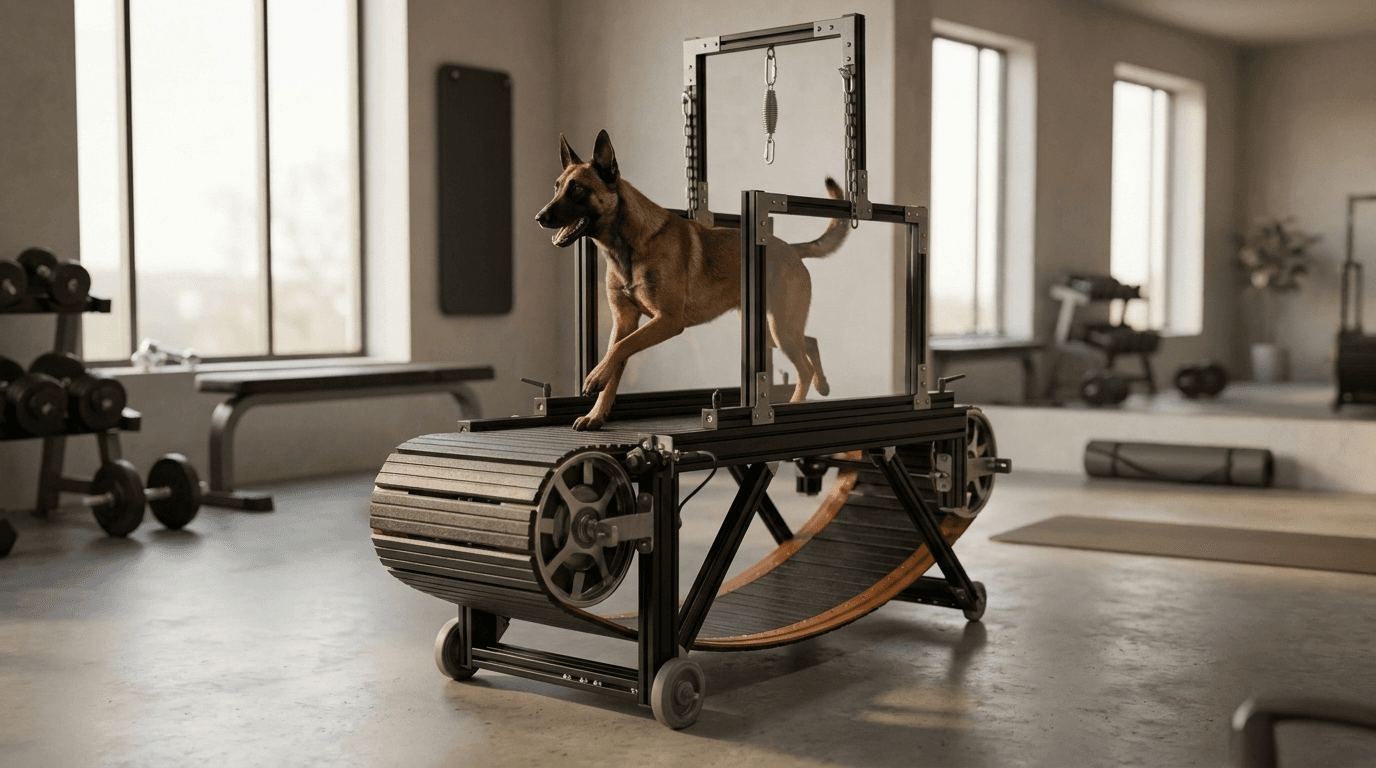
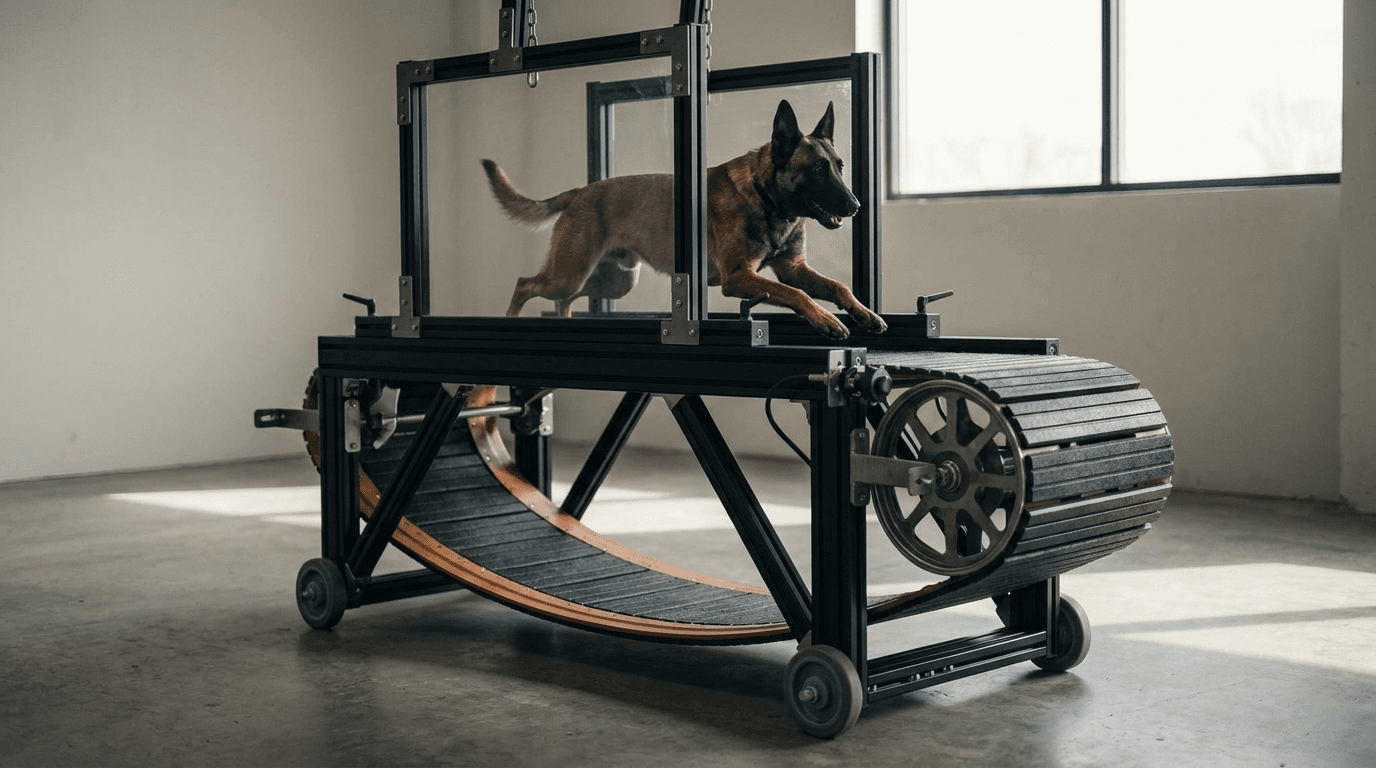
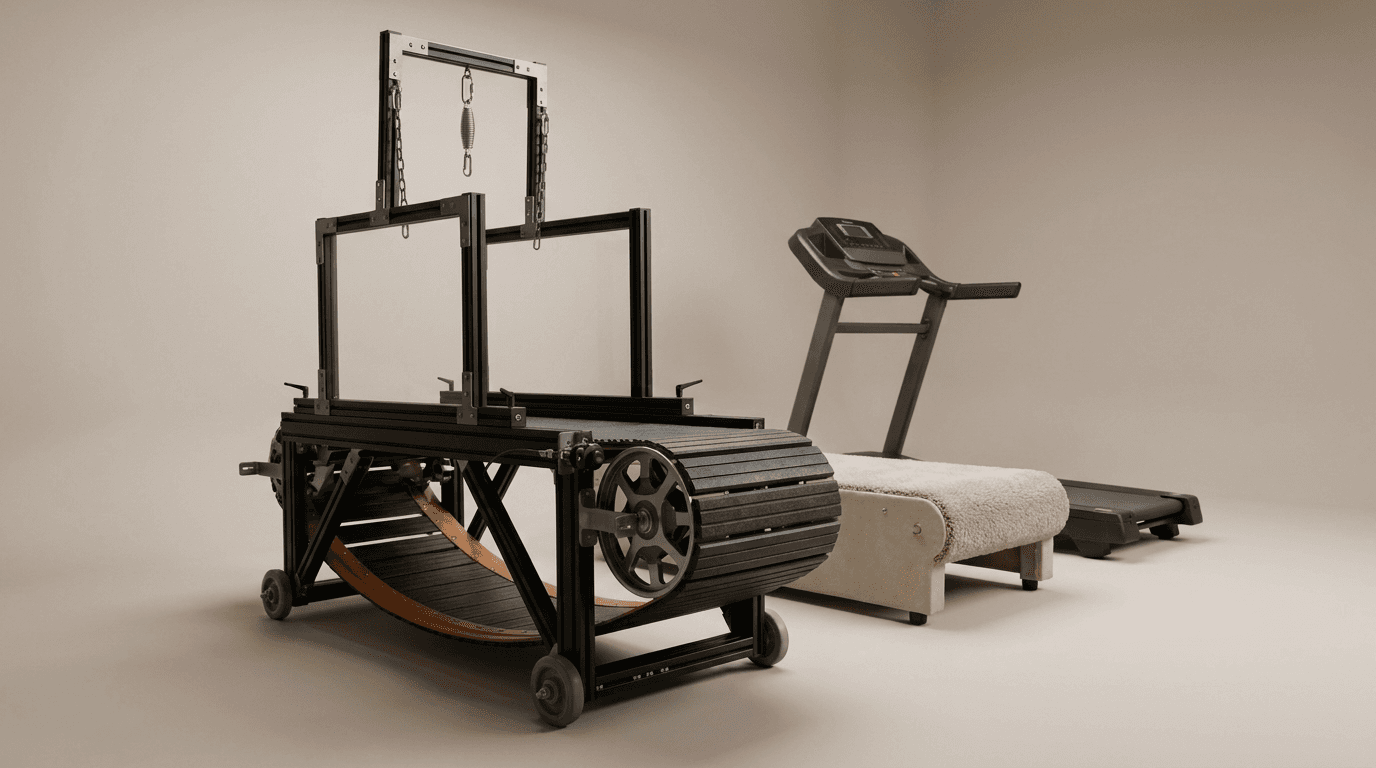
The ideal Corso exercise. The shock-absorbing slat surface protects joints while the dog works at their own pace. Corsos are powerful but not sprinters — they do best at a sustained trot. 15-25 minutes per session.
2. Swimming
Zero-impact, full-body workout. If you have access to safe water, swimming is the best thing you can do for a Corso's joints. Start with a life vest — not all Corsos are natural swimmers.
3. Walking on Soft Ground
Grass, dirt trails, sand — anything softer than concrete. 30-45 minutes at a brisk pace. The foundation exercise, but not sufficient alone.
4. Tug-of-War
Corsos love it. Builds neck, shoulder, and core strength. Use a heavy-duty tug toy designed for large breeds.
5. Nose Work
Engages the Corso's intelligence without physical strain. Hide treats, create scent trails, or try formal detection training. Mental exhaustion matters as much as physical.
6. Controlled Weight Pulling (Adults Only)
Corsos are natural drafting dogs. Light cart or sled pulling builds strength and gives them a sense of purpose. Only after 24 months with vet clearance.
The Bloat Protocol
This is non-negotiable for Cane Corsos:
Schedule slatmill sessions mid-morning or mid-afternoon, well away from mealtimes.
Weekly Schedule
The Bottom Line
Cane Corsos are powerful working dogs with specific vulnerabilities — late growth plates, bloat risk, and joint stress from their size. A slatmill provides the joint-safe, controlled exercise this breed needs without the risks of running on hard surfaces.
See HoundPower Slatmills — built for large and giant breeds →